
The Islamic calendar is full of special moments, but there is one period that stands above almost all others. Many people look forward to the last ten nights of Ramadan, and rightly so. However, the Prophet Muhammad (peace be upon him) taught us that there are no days in which righteous deeds are more beloved to Allah than the first 10 days of Dhul Hijjah. These days are a golden opportunity for us to reset our hearts, gain immense rewards, and show our devotion to the Creator.
Whether you feel like you have had a busy year or you simply want to make sure you do not miss out on this seasonal blessing, now is the time to focus. These ten days are not just a countdown to the Eid celebration; they are a sacred window where every small action is multiplied in value. Here are five essential things you should keep in mind to make the most of this blessed time.
1. Understand the Immense Rewards of Dhul Hijjah
The first step to making the most of this time is realizing exactly how valuable it is. In the Quran, Allah swears by “ten nights” in Surah Al-Fajr, and many scholars believe these are the opening nights of this month. When Allah swears by something, it highlights its greatness.
The first 10 days of Dhul Hijjah are special because they combine all the main pillars of Islam: prayer, fasting, charity, and Hajj. While millions of people are currently in Makkah performing the pilgrimage, those of us at home can still share in the spiritual atmosphere. By focusing on your prayers and staying consistent with your daily dhikr (remembrance of Allah), you can transform your week into a powerful spiritual retreat.
2. Fasting and the Significance of the Day of Arafah
One of the most popular ways to observe this time is through fasting. It is recommended to fast as many of the first nine days as possible. However, if you can only manage one day, make sure it is the 9th of Dhul Hijjah—the Day of Arafah.
The Prophet (peace be upon him) said that fasting on the Day of Arafah atones for the sins of the previous year and the year to come. This is a massive mercy from Allah. It is a day for deep dua, seeking forgiveness, and standing in spiritual solidarity with the pilgrims standing on the plains of Arafah. Try to plan your meals and work schedule in advance so you can spend the afternoon of Arafah in quiet reflection and prayer.
3. Increase Your Dhikr and Remembrance
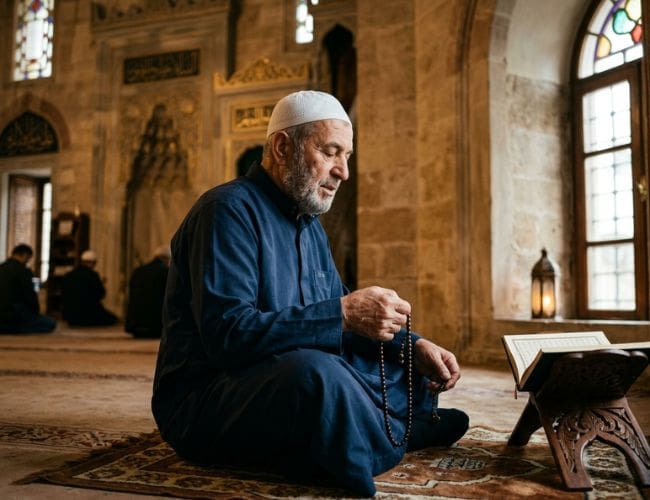
During the first 10 days of Dhul Hijjah, the air should be filled with the praise of Allah. It is a Sunnah to recite Takbeer (Allahu Akbar), Tahmeed (Alhamdulillah), and Tasbeeh (SubhanAllah) frequently. You do not need to be on a prayer mat to do this; you can recite these words while driving, cooking, or walking.
These simple phrases carry a lot of weight. They keep our hearts connected to the divine purpose of these days. Many people find it helpful to keep a dhikr counter or simply use their fingers to stay mindful. The goal is to ensure that even when our bodies are busy with worldly tasks, our souls are busy with the remembrance of our Lord.
4. Observe the Sunnah Rules for Qurbani
If you have made the intention to offer a sacrifice this year, there are specific guidelines to follow. Once the month of Dhul Hijjah begins, it is advised for the person providing the Qurbani to refrain from cutting their hair or nails until the sacrifice has been completed.
This is a beautiful way to physically connect ourselves to the pilgrims in Makkah who are in a state of Ihram. It serves as a daily reminder that we are part of a global act of worship. If you haven’t yet booked your animal, now is the time to do so. Waiting until the very last minute can lead to unnecessary stress, and booking early allows charities to manage the logistics of sourcing healthy animals and planning distributions in high-need areas.
5. Fulfill Your Qurbani and Give Charity
The pinnacle of these ten days is the act of Qurbani, which commemorates the devotion of Prophet Ibrahim (AS). This is the time to ensure your donation is ready. Beyond the mandatory sacrifice, increasing your general Sadaqah (voluntary charity) during the first 10 days of Dhul Hijjah is highly recommended.
Because deeds are more beloved to Allah during this time, giving even a small amount every day can lead to heavy rewards on your scales. Whether it is helping a local neighbor or contributing to a global appeal, let your generosity flow during this sacred window.
Make Your Mark with Children of Adam
At Children of Adam, we believe that every person deserves to experience the joy of Eid, regardless of where they live or what hardships they face. We are a registered charity dedicated to serving the most vulnerable members of our global family. Our mission is built on transparency, compassion, and a 100% donation policy for many of our vital projects.
This year, as you navigate the first 10 days of Dhul Hijjah, we invite you to fulfill your prophetic tradition through our Qurbani appeal. We work directly on the ground in Kenya, Pakistan, Nepal, Palestine, and Yemen to ensure your sacrifice is handled with the utmost care and reaches those who are truly in need. From the drought-stricken regions of Kenya to the crisis-hit families in Palestine and Yemen, your donation provides a rare meal of fresh meat and a sense of dignity to widows, orphans, and the elderly.
Frequently Asked Questions (FAQs)
What are the best deeds to do during the first 10 days of Dhul Hijjah?
The most recommended deeds include fasting (especially on the Day of Arafah), increasing dhikr (remembrance of Allah), performing Qurbani, and giving Sadaqah. The Prophet (PBUH) stated that deeds done during this time are more beloved to Allah than at any other time.
Can I still book my Qurbani if Dhul Hijjah has already started?
Yes, you can book your Qurbani after the month has begun. However, it is best to do so as early as possible to ensure that charities like Children of Adam can source the best livestock and complete the sacrifice on time during the days of Eid.
Why should I donate my Qurbani to Palestine or Yemen this year?
Palestine and Yemen are currently facing some of the worst food security crises in the world. Donating your Qurbani to these regions through Children of Adam ensures that fresh meat reaches families who are struggling to survive amidst conflict and poverty.
Is fasting mandatory during the first 10 days of Dhul Hijjah?
Fasting is not mandatory (Fard), but it is a highly rewarded Sunnah. Fasting the first nine days is recommended, with the Day of Arafah being the most important day to fast for those not performing Hajj.
How does Children of Adam ensure my Qurbani is performed correctly?
Children of Adam follows strict Shariah guidelines for animal selection, age, and health. The sacrifices are performed after the Eid prayer in each respective country—including Pakistan, Nepal, and Kenya—and distributed immediately to the most needy.