
Ramadan is a time for worship, reflection and helping people in need. Many Muslims use this month to review their finances, work out their charitable obligations and decide how they can support others.
For people planning their Zakat UK giving in 2027, a little preparation can make the process easier. It helps you understand what you owe, choose a suitable way to pay and make informed decisions about where your donation goes.
Zakat is not the same as every other form of charity. It has specific rules about eligible wealth, calculation and the people who can receive it. Other projects, such as planting trees or supporting a water pump, may be valuable forms of charity but are not automatically suitable for Zakat.
This guide explains how to organise your giving, what to consider when choosing a charity and how to distinguish Zakat from voluntary donations.
What is Zakat and why is it important?
Zakat is an obligatory form of giving in Islam for Muslims who meet the relevant conditions. It involves giving a prescribed share of eligible wealth to people who qualify under Islamic rules.
Its purpose is to support eligible recipients and help address financial hardship. It also reminds Muslims that wealth carries responsibilities towards others.
Zakat is often associated with Ramadan because many people choose this month to review their finances and make their payment. However, Zakat is not automatically due in Ramadan for everyone. Its due date depends on the applicable conditions and the individual’s circumstances.
If your Zakat becomes due at another time of year, you should not assume that you must wait until Ramadan to pay it. Ask a qualified scholar if you are unsure about your payment date.
How to prepare for your Zakat calculation
Before using a Zakat calculator, gather the information you need. This can help you make a more accurate calculation and identify questions that require further advice.
1. List your eligible assets
Depending on the rules you follow, assets considered for Zakat may include:
- Cash held at home or in bank accounts.
- Savings and certain investments.
- Gold and silver.
- Money owed to you that meets the relevant conditions.
- Business stock and other eligible business assets.
Not every asset is treated in the same way. Personal belongings, property, investments and business assets can have different rules. Do not assume that everything you own is automatically included or excluded.
Make a clear list of your assets and check how each one should be treated under the guidance you follow.
2. Record eligible debts and liabilities
Some debts or liabilities may affect the calculation, depending on their type, timing and the scholarly guidance you follow.
Write down any relevant amounts rather than estimating from memory. If you have a mortgage, business borrowing, investments or complex financial arrangements, the calculation may need more careful attention.
3. Check the Nisab threshold
The Nisab is the minimum threshold of eligible wealth used in determining whether Zakat is due. Its value is commonly linked to a prescribed amount of gold or silver.
The monetary value can change as market prices change. Check the current guidance and the method recommended by the scholar or authority you follow.
4. Use a Zakat calculator carefully
A Zakat calculator UK tool can help organise figures and estimate your payment. Enter your information carefully and check that you understand which assets and liabilities the calculator includes.
A calculator is a practical aid, not a replacement for religious guidance. If your finances involve unusual investments, business ownership or complicated debts, seek advice from someone qualified to assess your circumstances.
Who pays Zakat and who can receive it?
Zakat is generally obligatory for Muslims whose eligible wealth meets the relevant conditions, including the applicable Nisab threshold. Other rules, such as the treatment of particular assets and the timing of payment, may also matter.
Who receives Zakat is equally important. Islamic rules identify eligible categories of recipients, including people in poverty and people in need. Not every person or charitable project automatically qualifies.
Before making a Zakat donation, ask the charity how it identifies eligible recipients and distributes Zakat funds. A responsible organisation should provide clear information about the purpose of the appeal and how contributions are handled.
If you are donating through a project that supports a particular community, do not assume that the project itself makes every cost Zakat-eligible. The charity should be able to explain whether the programme accepts Zakat and how it meets the relevant requirements.
Should you pay Zakat during Ramadan?
Many Muslims prefer to arrange their Ramadan Zakat because the month offers a natural opportunity to reflect on generosity and charitable responsibility.
Planning ahead can also help charities organise support for people facing hardship. However, the correct time to pay depends on when your Zakat becomes due and the rules you follow.
If your payment is due before Ramadan, delaying it simply to give during the month may not be appropriate. If you want to make an additional voluntary donation during Ramadan, you can consider doing so separately from your obligatory Zakat.
Keep a record of your calculation, the amount paid and the date. This can make future calculations easier and help you keep track of your charitable giving.
How to choose meaningful charity projects
Once you have worked out your Zakat, you may also want to support other charitable causes. The key is to understand the purpose of each project and whether your chosen form of giving is suitable.
Orphan sponsorship
Orphan sponsorship can help provide ongoing support for children who have lost one or both parents. Depending on the programme, assistance may contribute towards essential needs such as education, food, clothing or general welfare.
Before donating, check what the sponsorship covers, how support is delivered and whether the organisation provides updates. Also confirm whether the programme accepts Zakat and whether your payment will be used in accordance with Zakat rules. Some sponsorship programmes may be better suited to voluntary charity.
Water pump projects
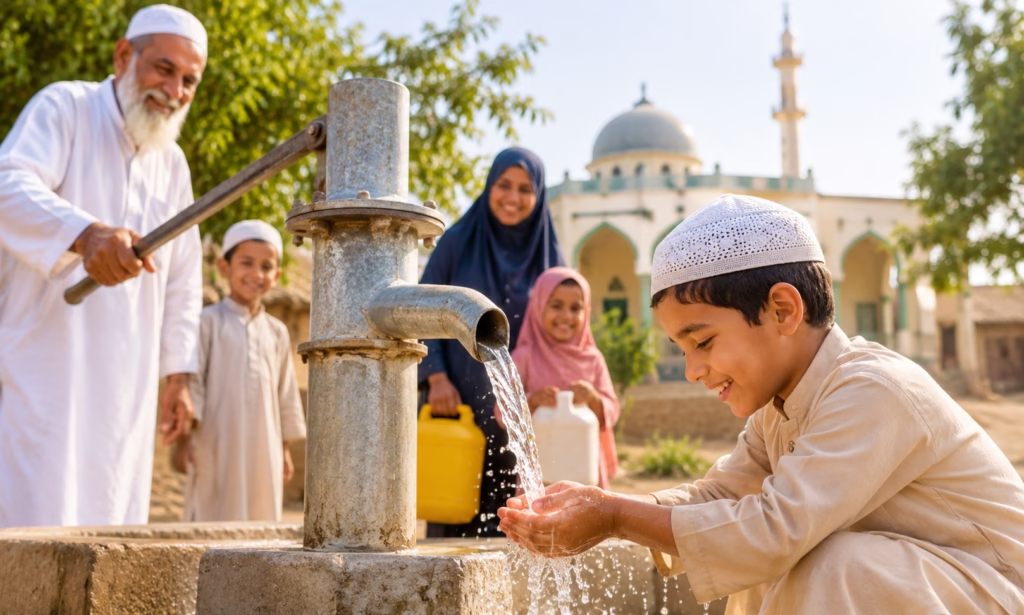
Access to clean water can affect health, household routines and daily life. A water pump charity project may help communities access a more reliable water source, depending on the location and how the system is built and maintained.
Before supporting a project, look for information about local needs, installation, maintenance and long-term access. A completed pump needs a plan for repairs and upkeep if it is to remain useful.
Donating a water pump is often considered a possible form of Sadaqah Jariyah, or ongoing charity, where the benefit continues over time. However, a water project is not automatically eligible for Zakat. Check the charity’s guidance before allocating your Zakat to it.
Tree planting and environmental projects
Tree planting charity programmes may support greener spaces, soil protection or other environmental aims. Their impact depends on factors such as local conditions, tree survival and long-term care.
These projects may offer a meaningful way to give voluntary charity, but they are not automatically suitable for Zakat. If you want to support tree planting charity, consider making a separate voluntary donation unless the charity clearly explains how the project meets Zakat requirements.
Quran donation projects
A Quran donation can help make copies of the Quran available to people who need them. Some programmes distribute copies to communities, learning centres or individuals with limited access to religious materials.
Before donating, check where the copies will go and whether the programme responds to a genuine need. A Quran donation may be suitable as voluntary charity, but you should not assume that it qualifies as Zakat.
Sadaqah Jariyah
Sadaqah Jariyah refers to ongoing charity from which people may continue to benefit over time. Depending on the project, examples may include supporting sustainable water access, useful learning resources or other lasting community benefits.
It is different from obligatory Zakat. If you want to fulfil your Zakat and also support long-term projects, consider keeping the two budgets separate. This helps ensure that your Zakat is directed towards eligible recipients while your voluntary donations support the causes you value.
A simple Ramadan giving checklist
Before completing your donations in 2027, work through this short checklist:
- List the assets that may be eligible for Zakat.
- Check relevant debts and liabilities.
- Confirm the Nisab value and calculation method you follow.
- Use a reliable calculator or seek qualified advice.
- Check that your chosen Zakat recipient or programme is eligible.
- Confirm how the charity uses and distributes Zakat funds.
- Decide separately whether to make voluntary donations to other projects.
- Keep records of payments and review your arrangements for the next year.
You do not need to support every project. Choose causes that fit your means and priorities, and take time to understand how your donation will be used.
Plan your giving with Children of Adam
A thoughtful giving plan starts with understanding your obligations, checking your calculation and choosing the right form of donation for each cause. Separating Zakat from voluntary charity can help you meet your religious responsibilities while also supporting projects that matter to you.
To explore donation options, visit Children of Adam’s Zakat appeal. Review the appeal details and confirm that your intended contribution is suitable for the purpose you wish to support before donating.
Frequently asked questions
How do I calculate Zakat in the UK?
List your eligible assets, consider relevant liabilities under the guidance you follow, and check whether your wealth meets the Nisab threshold. A reliable Zakat calculator can help, but complex cases may require advice from a qualified scholar.
Who has to pay Zakat?
Zakat is generally due from Muslims whose eligible wealth meets the relevant conditions. The rules depend on the type of wealth and the circumstances, so seek guidance if you are unsure.
Who can receive Zakat?
Zakat can be distributed to categories of recipients recognised under Islamic rules, including people in poverty and people in need. Not every charitable project or organisation automatically qualifies.
Is Ramadan the only time to pay Zakat?
No. Zakat is due according to the conditions and timing that apply to your circumstances. Many people choose Ramadan for convenience, but a payment that is already due should not be delayed simply to wait for the month.
Can Zakat be used for orphan sponsorship?
It depends on how the programme is structured and whether the recipients and distribution arrangements meet Zakat requirements. Check with the charity before designating your donation as Zakat.
Can I use Zakat to fund a water pump or tree planting?
Do not assume these projects qualify. They may be suitable for voluntary charity or Sadaqah Jariyah, but Zakat has specific eligibility rules. Confirm with a qualified scholar and the charity before allocating Zakat funds.
Is a Quran donation considered Sadaqah Jariyah?
It may be regarded as ongoing charity when people continue to benefit from the donated copies. The nature of the benefit and the project’s circumstances matter. A Quran donation should not automatically be treated as an eligible use of Zakat.