When global climate discussions focus on rising temperatures, the data is often presented through abstract statistics. However, on the ground in South Asia, extreme heat does not act alone. Its lethal potential is directly multiplied by local infrastructural vulnerabilities. In recent years, the intersection of an unstable electrical infrastructure and historic thermal anomalies has created a compounding humanitarian emergency.
A chronic deficit in energy generation means that a typical Pakistan power cuts heatwave is not a minor inconvenience; it is a direct threat to human life. When the commercial electrical grid collapses during peak seasonal heatwaves, vulnerable families lose their primary means of indoor thermal defense. Understanding how these concurrent crises amplify one another highlights the critical importance of decentralized, renewable energy interventions.
The Perfect Storm: Rising Temperatures and Load-Shedding
To comprehend the scale of this problem, it is necessary to examine how climatic extremes collide with a fragile public utility system.
Unprecedented Climate Thresholds
Across regions such as Sindh, southern Punjab, and Balochistan, summer temperatures regularly cross 45 degrees Celsius, occasionally spiking close to 50 degrees Celsius. Climate scientists note that the frequency, duration, and intensity of these heat events are accelerating. Extended heat waves saturate concrete buildings and mud brick homes alike, creating persistent indoor thermal stress that lasts long after the sun sets.
Communities attempting to find physical relief from extreme outdoor temperatures. Source: Pacific Press / LightRocket via Getty Images
The Reality of Forced Load-Shedding
During these identical peak heat periods, national energy demand far outstrips the maximum output capacity of the central electrical grid. To prevent total system blackouts, regional utility providers implement rolling blackouts, locally known as load-shedding. In major urban centers, power cuts can accumulate to 8 to 12 hours a day. In isolated rural districts, the situation degrades further, with households facing 14 to 18 consecutive hours without electricity.
Widespread electricity blackouts hitting residential sectors during high-demand summer periods. Source: Bloomberg / Bloomberg via Getty Images
The Direct Cascading Risks of Power Cuts During Heatwaves
When the electricity supply cuts out during an active heat emergency, a series of immediate physical and operational failures put low-income families at risk.
1. The Trapped Heat Phenomenon
Modern low-income housing—frequently constructed with thin corrugated iron sheet roofs or uninsulated masonry blocks—absorbs immense amounts of solar radiation throughout the day. Without continuous mechanical fan operation to circulate air and promote convective cooling, internal indoor temperatures can quickly surpass the outdoor environment. For infants, small children, and elderly relatives trapped indoors, these rooms function like ovens, accelerating heat exhaustion and severe hyperthermia.
2. Immediate Disruption of Water Access
In Pakistan, water distribution relies heavily on electric municipal pumps and private tubewell motors to extract groundwater into residential storage tanks. When power cuts hit, water extraction stops entirely. As a result, families lose access to the clean water needed for hydration, bathing, and evaporative cooling precisely when their physiological demand is highest. This leads to rapid dehydration and forces people to rely on contaminated, stagnant water sources.
3. Overwhelmed and Darkened Healthcare Facilities
The crisis extends past individual homes into regional healthcare networks. Rural medical clinics and underfunded district hospitals are rarely insulated from public load-shedding. When power cuts occur, emergency rooms lose lighting, diagnostic machinery, and basic cooling systems. Medical staff are forced to treat influxes of heatstroke patients in stifling, dark wards, severely limiting their capacity to provide life-saving care.
Why General Solutions Fall Short for the Impoverished
While affluent households insulate themselves from load-shedding using automated diesel generators or commercial battery backup networks, these options are unavailable to marginalized communities.
The Financial Impossibility of Fossil Fuel Backups
Purchasing and running a mechanical generator requires a steady financial supply for gasoline or diesel fuel. For agricultural laborers or urban daily-wage workers earning minimal incomes, paying for fuel is impossible. The high cost means that traditional fossil-fuel backup systems cannot scale to help the communities experiencing the highest rates of heat-related illnesses.
The Chronic Vulnerability of Isolated Rural Regions
Many remote border villages and agricultural settlements are completely disconnected from the national electrical grid. For these off-grid populations, a heatwave is faced with zero mechanical infrastructure from the start. Without a radical shift toward decentralized, independent power generation, these communities remain entirely exposed to shifting environmental extremes.
The Role of Solar Infrastructure in Breaking the Cycle
Addressing the combination of power cuts and heatwaves requires moving beyond short-term emergency aid toward localized, independent infrastructure. Standalone solar power interventions provide a reliable solution to this systemic vulnerability.
- Grid-Independent Power: Solar arrays bypass the failing commercial grid entirely, converting abundant sunlight into direct operational power precisely during the hottest hours of the day.
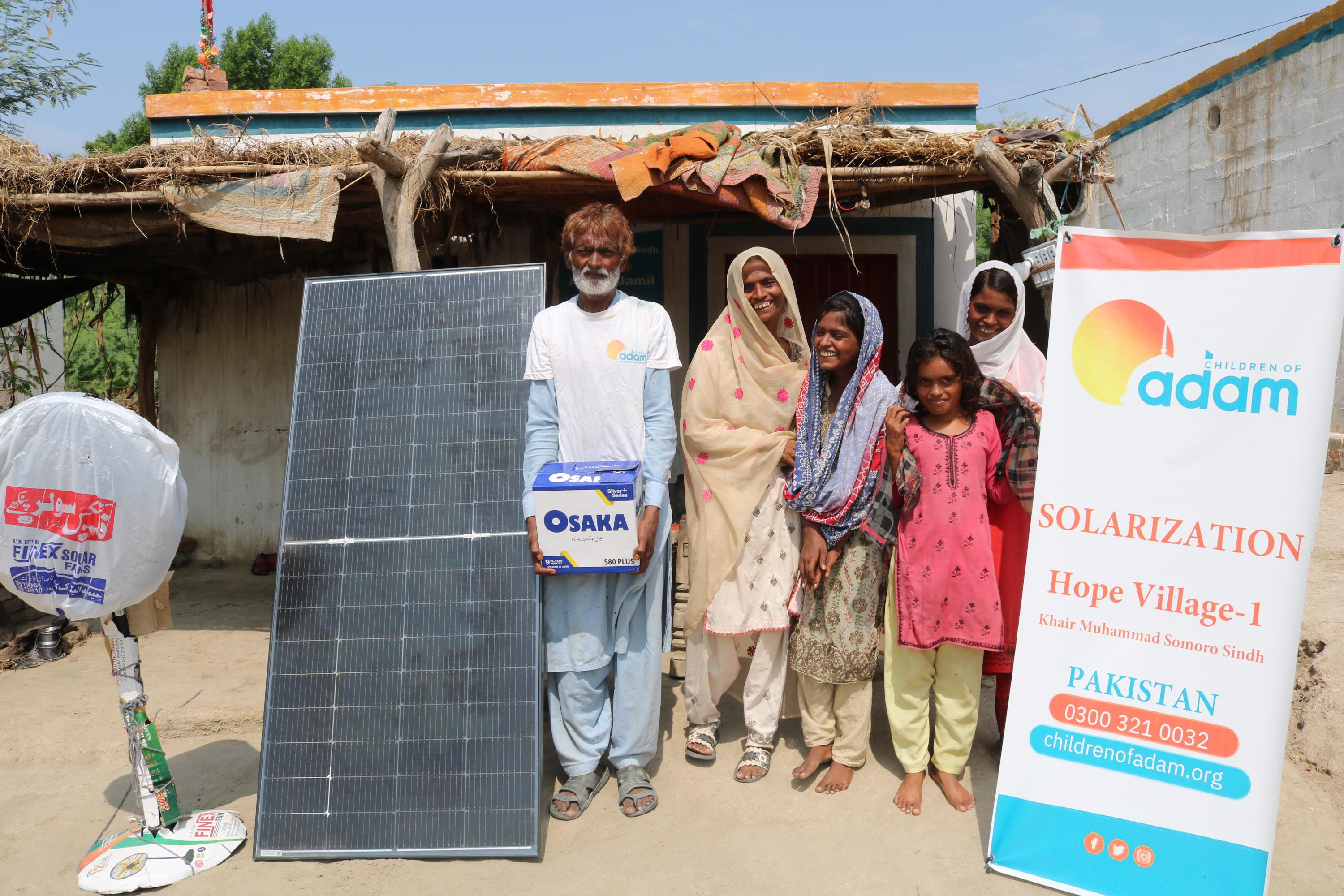
- Sustainable Cooling: By powering dedicated DC fans and lighting systems at zero recurring cost, solar kits provide a reliable shield against internal home heat saturation.
- Securing Clean Water: Integrating solar arrays with community water wells ensures that groundwater pumping remains active throughout grid failures, keeping hydration channels open.
Through targeted distribution programs, Children of Adam places these independent solar and cooling packages directly into highly vulnerable, off-grid households. This framework transforms immediate climate relief into a long-term asset, protecting families from seasonal emergencies while building lasting structural resilience.
Conclusion: Turning Sustainable Infrastructure into Life-Saving Aid
The dangerous pairing of rising global temperatures and an unstable electrical grid requires a shift in how we approach humanitarian aid. Temporary emergency relief satisfies immediate needs but leaves the underlying structural vulnerabilities unchanged. Implementing standalone, clean solar infrastructure breaks this cycle by giving marginalized families the independent tools they need to survive extreme seasonal climates.
Key Takeaway: When the public grid fails, solar power keeps life-saving cooling and water systems running. Support the renewable relief initiatives of Children of Adam to counter the combined threat of Pakistan power cuts heatwave events, and establish an independent source of protection for those facing environmental poverty.
Frequently Asked Questions (FAQs)
How do power cuts make heatwaves more dangerous in Pakistan?
When power cuts stop the operation of fans and water pumps during extreme heat waves, indoor spaces reach dangerous temperatures and water access drops. This combination prevents natural bodily cooling and rapidly increases the risk of fatal heatstroke.
What is load-shedding and why does it happen in summer?
Load-shedding refers to intentional, rolling electrical blackouts managed by utility companies. It happens during the summer because the demand for cooling systems heavily exceeds the total generation capacity of the national grid.
How does solar energy solve the issue of load-shedding?
Solar energy systems operate completely independent of the public commercial grid. They capture sunlight to generate electricity locally, ensuring that critical appliances like cooling fans and water pumps run continuously during widespread power outages.
Who is most affected by a concurrent power cut and heatwave?
Low-income families, off-grid rural laborers, infants, pregnant women, and elderly individuals face the highest risks due to lack of alternative power options and a higher vulnerability to severe thermal stress.
How does Children of Adam protect communities from this specific crisis?
Children of Adam delivers and installs standalone solar panels and energy-efficient cooling fans directly to high-risk, off-grid, and low-income households, establishing independent, zero-cost thermal defense systems.
Can I contribute to a solar project to support an entire village?
Yes. Children of Adam manages large-scale community solar interventions, including solar-powered deep water wells and multi-family clean energy installations that secure vital resources for whole rural settlements.