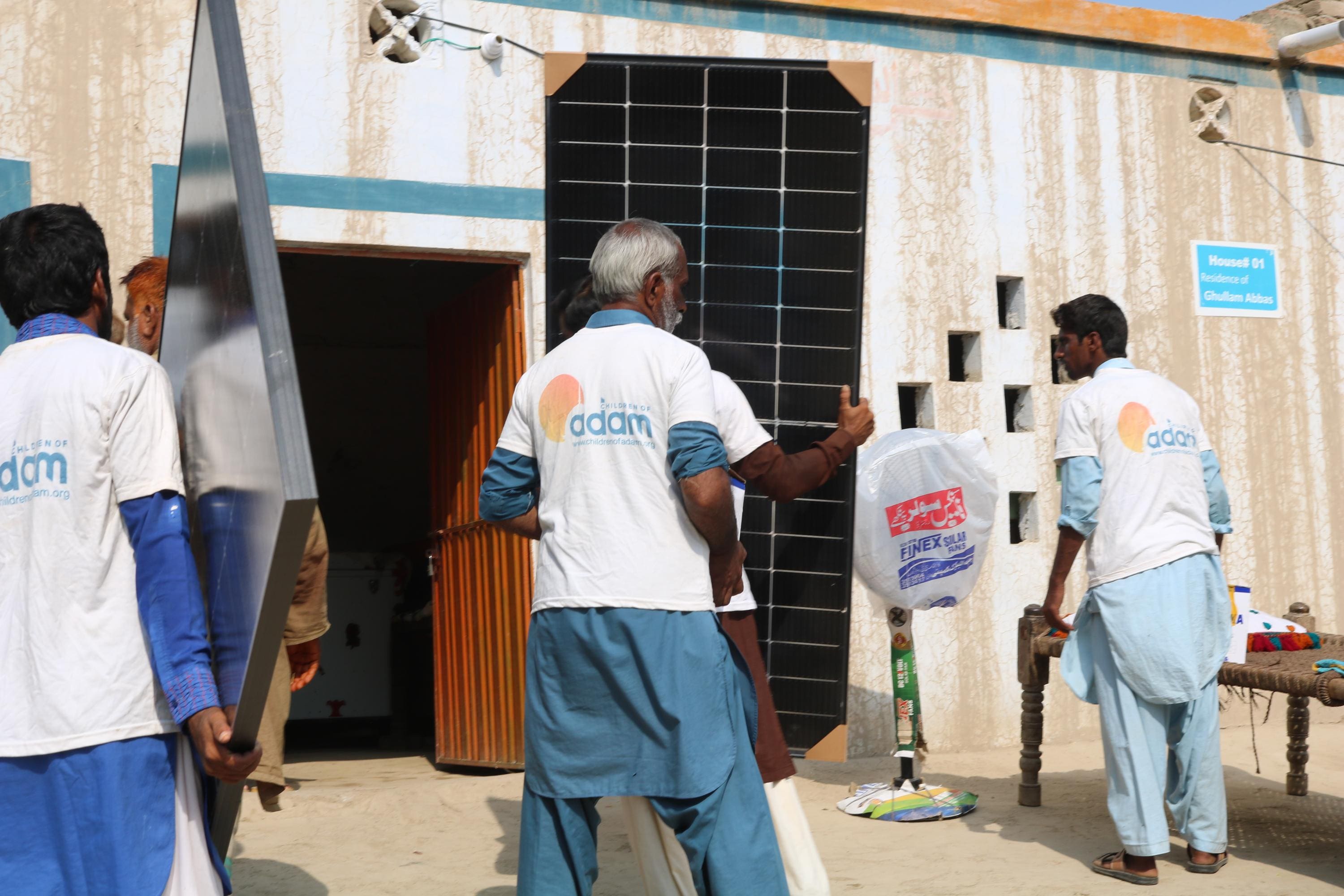
In Islamic tradition, certain charitable acts offer a compounding return that extends far beyond the initial moment of giving. While immediate emergency relief addresses temporary crises, structural investments create long-term stability for vulnerable communities. Choosing to donate renewable energy systems is a highly effective way to establish a continuous baseline of support.
Funding sadaqah jariyah solar panels through Children of Adam bridges the gap between environmental sustainability and traditional faith-based giving. By providing independent, clean power to off-grid communities, this specific intervention secures a legacy of ongoing relief for the recipients and enduring spiritual rewards for the donor.
Understanding the Concept of Sadaqah Jariyah
To understand why renewable energy fits perfectly into this framework, it is essential to look at the underlying principles of ongoing charity in Islam.
The Foundation of Continuous Reward
Sadaqah Jariyah translates directly to “flowing or continuous charity.” Unlike a one-off donation that is consumed quickly such as a single meal an ongoing charity invests in an asset that repeatedly yields benefits over time. As long as the asset continues to assist, heal, protect, or elevate a community, the spiritual rewards continue to accumulate for the giver, even after they have passed away.
Traditional vs. Modern Infrastructure Giving
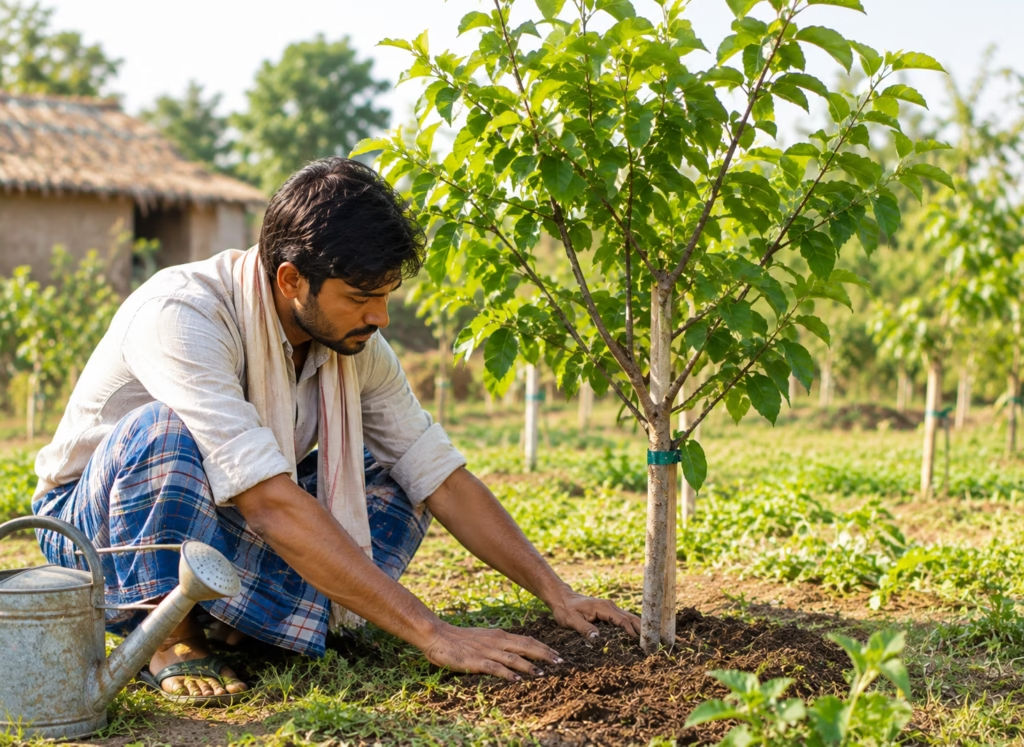
Historically, classic examples of continuous charity included digging a water well, planting fruit-bearing trees, or constructing a school or masjid. In the modern era, the structural challenges facing impoverished areas have evolved. Today, a lack of reliable electrical energy cripples water access, halts education, and leaves families exposed to deadly heatwaves. Introducing solar technology updates this timeless charitable practice to address contemporary infrastructural poverty.
How Solar Energy Serves as an Ongoing Charity
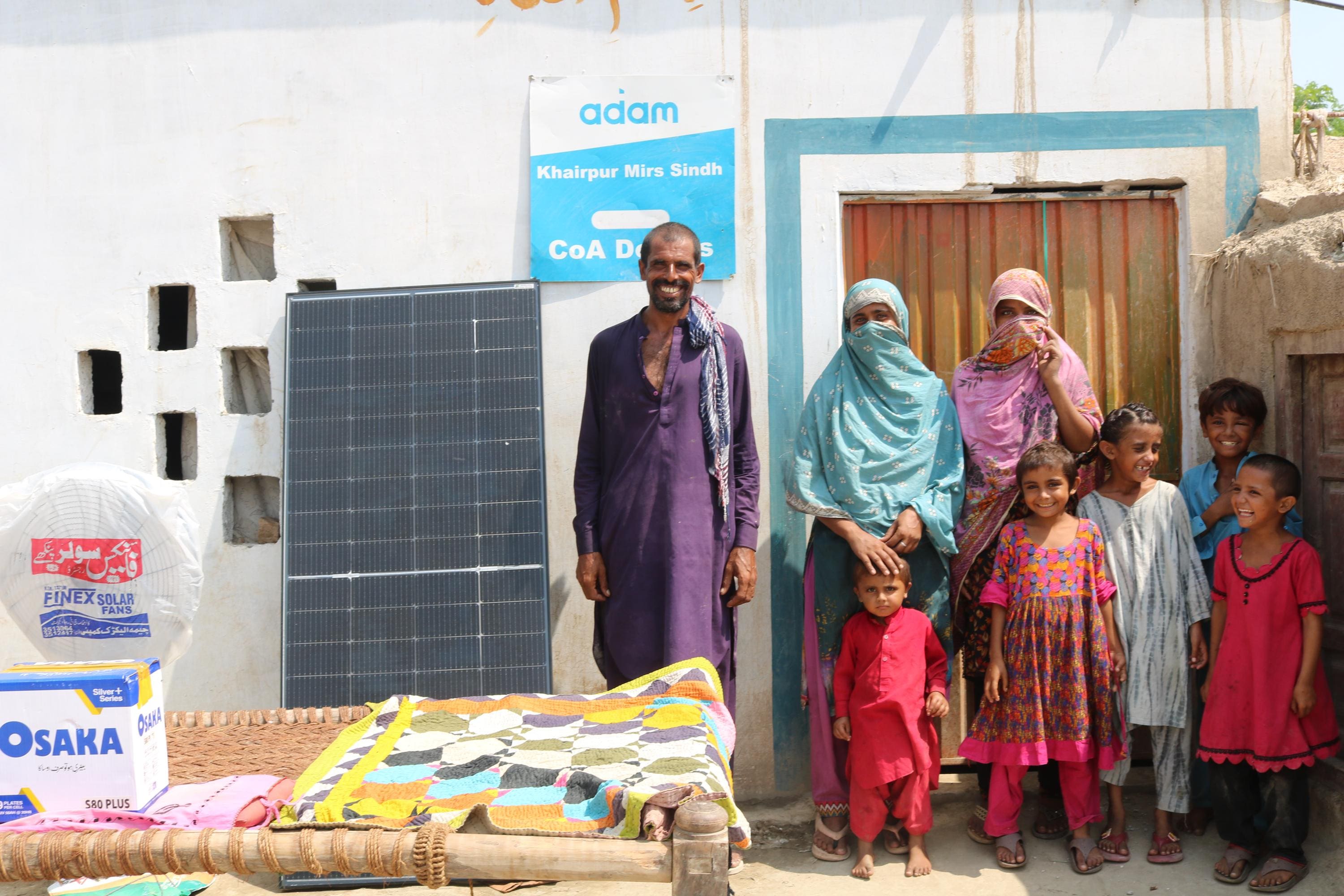
A solar panel setup is not a passive piece of hardware; it functions as an active engine of daily relief, safety, and community empowerment.
1. Multi-Year Lifespan of Relief
High-quality solar panels are designed to withstand harsh weather conditions and operate efficiently for 20 to 25 years. This durability ensures that your single financial contribution translates into decades of continuous utility. Year after year, the equipment captures free, abundant sunlight to sustain a household, making it a true definition of a flowing charity.
2. Immediate Elimination of Energy Poverty
For families living in off-grid rural regions of Pakistan, energy is a costly luxury. Traditional grid electricity is either entirely unavailable or interrupted by 12 to 16 hours of daily blackouts during peak summer heat. By installing standalone solar panels, you supply an independent source of power that runs at zero operating cost, immediately freeing poor households from the burden of expensive utility bills or hazardous fuel alternatives like kerosene lamps.
3. Powering Critical Basic Needs
A functional solar array provides the foundational power required to run other lifesaving applications:
- Continuous Cooling: Powering dedicated fans to protect children and elderly relatives from fatal heat exhaustion inside mud or metal-roofed homes.
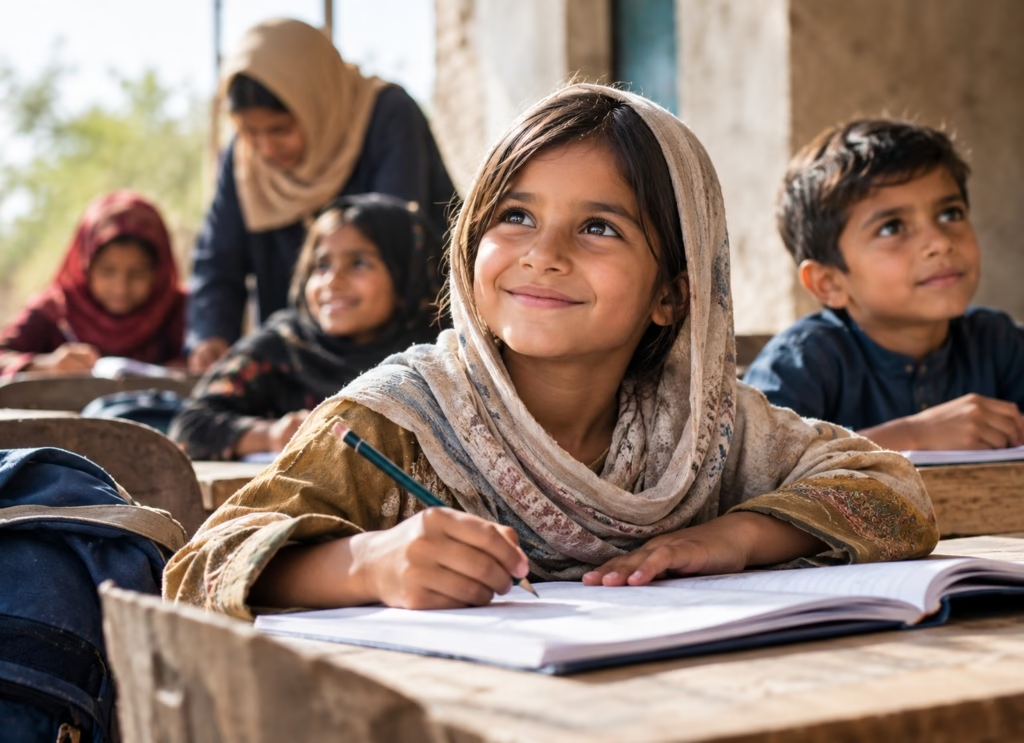
- Safe Illumination: Powering home lighting so children can study safely past sunset without relying on toxic, fire-hazardous candles.
- Water Distribution: Powering deep water wells and community extraction systems so clean drinking water remains accessible during grid failures.
The Deepening Impact of Energy Security on Poor Communities
When a community receives a reliable power source, the effects ripple through every aspect of daily life, transforming systemic poverty into opportunities for self-sufficiency.
Health and Thermal Protection During Climate Crises
Regions like rural Sindh and Punjab in Pakistan experience some of the highest summer temperatures on earth, frequently exceeding 45 degrees Celsius. Without electricity, indoor spaces become literal ovens. Heatstroke and severe dehydration claim thousands of vulnerable lives annually.
By providing a solar-powered fan network, you offer an immediate defensive shield against extreme heat. This is not just comfort; it is preventative healthcare that keeps infants and elderly relatives out of overextended regional medical centers.
Economic Freedom and Breaking Debt Cycles
Impoverished households often spend a massive percentage of their minimal daily income on kerosene, flashlight batteries, or low-quality biomass fuels just to keep a single light burning at night. This financial drain prevents families from investing in better nutrition, healthcare, or small-scale tools for their livelihoods.
Solar infrastructure completely cuts these recurring operational energy costs out of the household ledger. The money saved stays in the family pocket, serving as a permanent economic buffer that works to break generational cycles of debt.
Aligning Green Energy with Faith-Based Environmental Stewardship
In addition to direct humanitarian relief, investing in sustainable energy directly fulfills the broader Islamic principles of planetary care and resource preservation.
The Concept of Amanah (Trust) and Conservation
Islamic theology teaches that the earth is an Amanah (a sacred trust) given to humanity, and believers are designated as stewards who must care for its resources wisely. Traditional fossil fuels pollute local environments and degrade soil and water quality, directly impacting the health of agrarian communities.
Choosing a zero-emission charity path like solar power respects this cosmic balance. It protects the local air quality and ensures that the aid provided does not come at the cost of environmental destruction for future generations.
Enhancing Other Sadaqah Jariyah Assets
Many traditional charitable assets rely heavily on modern power infrastructure to remain effective. For example, a water well equipped with a manual hand pump requires immense physical labor and can only extract water from shallow depths.
When you integrate sadaqah jariyah solar panels with community water systems, you build an automated solar-powered extraction network. This allows deep-aquifer water to be drawn effortlessly throughout the day, maximizing the output of the well and multiplying the overall impact of both charitable investments simultaneously.
The Compounding Blessings of Renewable Giving
Every time an off-grid family avoids a heat-related illness because of a functional cooling fan, or a child finishes their homework under a solar-powered light bulb, the donor receives the spiritual benefit.
By choosing to fund sadaqah jariyah solar panels, you do not just provide comfort for an afternoon; you change the environment in which a family lives. This sustainable model ensures that vulnerable communities can build resilience against severe seasonal heatwaves while maintaining their dignity, health, and independence over the long term.
Conclusion: Establish Your Legacy of Light and Comfort
Seasonal heatwaves and severe infrastructure deficits present a constant threat to off-grid communities, but sustainable technology offers a reliable path forward. Investing in solar energy moves beyond temporary aid by establishing permanent, self-sufficient infrastructure. By sending clean, reliable power to an impoverished household, you provide immediate protection from extreme elements while securing a lifelong legacy of charity.
Key Takeaway: Traditional aid resolves today’s crisis, but solar infrastructure secures tomorrow’s safety. Fulfill your charitable goals by donating sadaqah jariyah solar panels through Children of Adam, and provide a vulnerable family with a lasting source of life-saving comfort.
FAQ Section
What makes solar panels a form of Sadaqah Jariyah?
Solar panels provide a continuous, long-term benefit that lasts for decades. Because the hardware generates free electricity to support a family’s daily survival needs year after year, the donor receives ongoing spiritual rewards as long as the system remains operational.
How long do these solar energy setups typically last?
Standard high-quality solar panel installations are built to endure harsh conditions and can reliably produce clean energy for 20 to 25 years, ensuring an extended lifespan of relief for the beneficiary household.
Can I dedicate a solar panel project in the name of a deceased relative?
Yes. It is a common and highly encouraged practice in Islam to give Sadaqah Jariyah on behalf of deceased loved ones, passing the continuous spiritual rewards of the clean energy system to them.
What specific equipment does this solar charity fund?
A standard donation covers the procurement and technical installation of high-efficiency solar panels, standalone cooling fans, necessary wiring, charge controllers, and secure mounting hardware handled by local technicians on the ground.
Where does Children of Adam install these solar panel systems?
Children of Adam targets deeply impoverished, off-grid, and climate-vulnerable rural areas across Pakistan where high summer temperatures and lack of power grid access create critical survival risks for local families.
Does Children of Adam apply a 100% donation policy to this project?
Yes. Children of Adam operates under a strict 100% donation policy for all specified contributions. Every penny donated towards the solar panel and fan initiatives goes directly toward purchasing and setting up the hardware for families in need.
How does weather affect the performance of these charity systems?
The target regions in Pakistan receive high solar irradiance throughout the majority of the year. Even during partially cloudy days, modern photovoltaic panels capture ambient light to supply baseline power to home energy storage or direct appliances, ensuring a dependable flow of daily relief.