When we think of supporting people in need, we often think of immediate relief, like delivering a hot meal, a box of emergency groceries, or warm clothing. While these acts of kindness are incredibly important for survival, they only solve a problem for a short time. To truly lift communities out of poverty, we must look for long-term solutions that grow alongside the people we are helping.
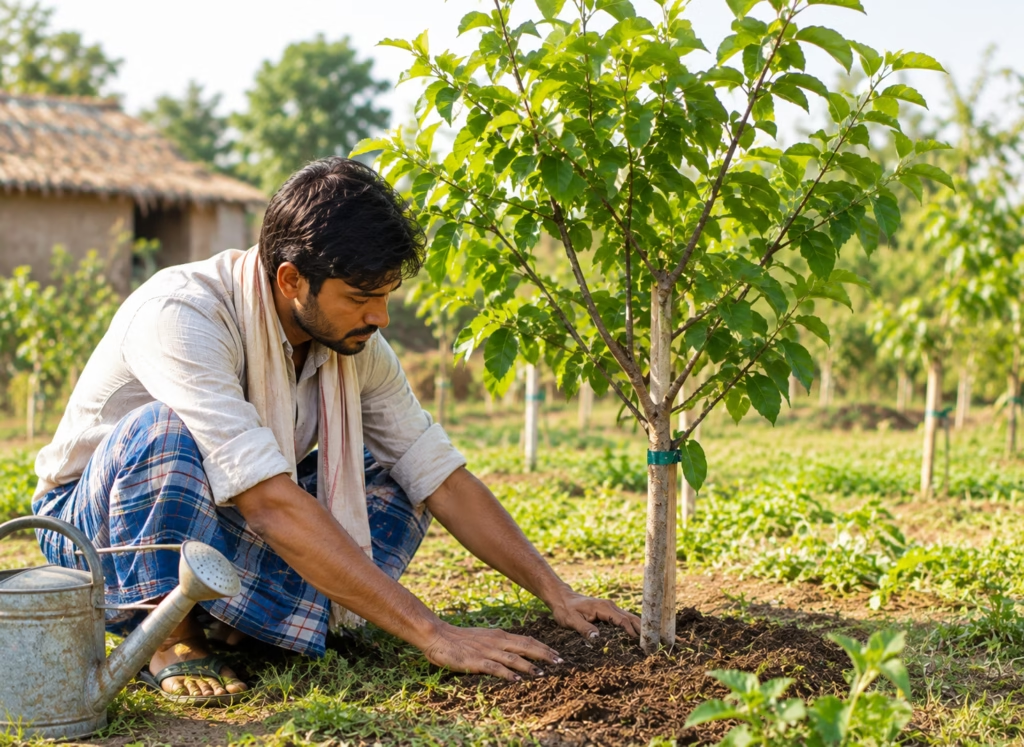
One of the most natural, beautiful, and sustainable ways to do this is to plant a fruit tree in a water-stressed or low-income region. This simple act of environmental kindness does far more than just green the planet. It actively fights hunger, provides a reliable source of income for poor families, and creates a beautiful, lasting legacy of voluntary charity.
In this guide, we will explore how tree donations protect families from food insecurity, why trees make a wonderful form of continuous charity, and how you can plant one online today.
The Power of Green Charity: Fighting Hunger Naturally
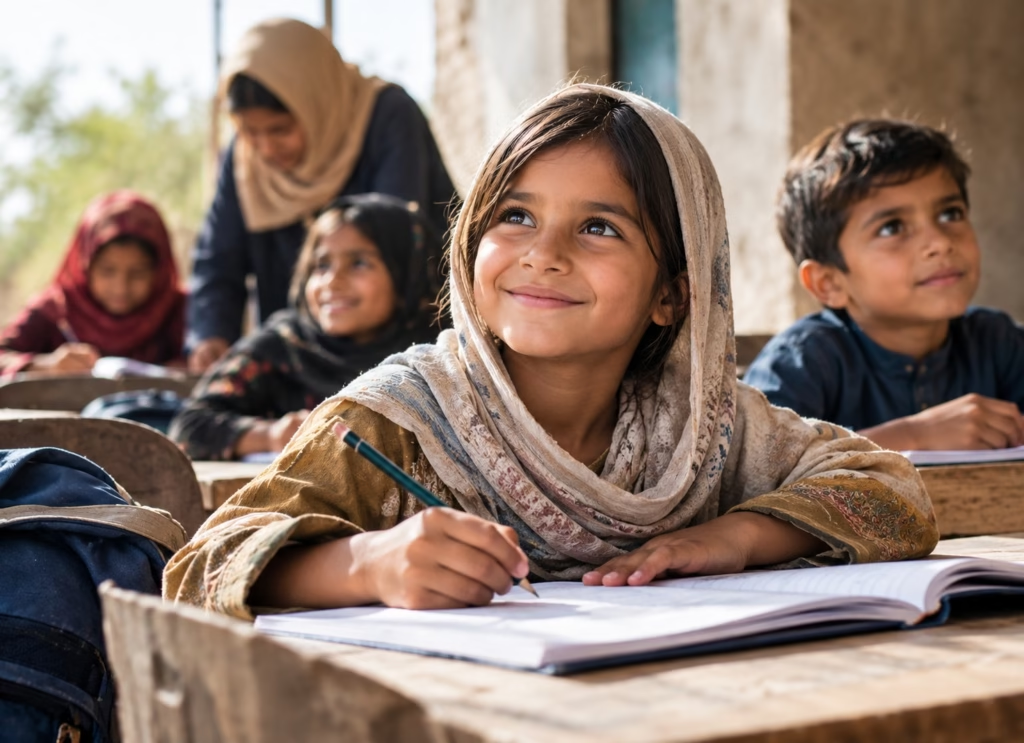
In many rural and remote areas around the world, families struggle to access fresh, nutritious food. Buying fruit in local markets can be far too expensive for households living on low wages. This lack of access to fresh produce leads to malnutrition, particularly in young children who need vital vitamins and minerals to grow strong.
By supporting a fruit tree charity initiative, you are providing a natural, self-sustaining food source directly to those who need it most.
- Nutritional Security: Once a young sapling grows into a mature tree, it yields hundreds of kilograms of fresh, healthy fruit—such as olives, dates, figs, or citrus fruits every single year. This gives local children access to essential nutrients right in their own backyards.
- Economic Independence: Families do not just eat the fruit; they can also sell the surplus harvest in local markets. This steady stream of income helps parents pay for school supplies, clothing, or medical care, slowly breaking the cycle of poverty.
- Restoring the Land: Trees are natural protectors of the environment. Their deep roots hold soil in place to prevent erosion, they create cool shade in hot climates, and they purify the local air, making the entire village a healthier and more comfortable place to live.
Why Planting a Tree is a Beautiful Sadaqah Jariyah
In Islamic tradition, voluntary charity that keeps giving over time is known as sadaqah jariyah. While many people are familiar with clean water hand pumps and school construction, planting crops is highly praised as one of the most virtuous forms of continuous giving.
The Prophet Muhammad (peace be upon him) spoke beautifully about the spiritual power of planting. He explained:
“There is none amongst the Muslims who plants a tree or sows seeds, and then a bird, or a person or an animal eats from it, but is regarded as a charitable gift (Sadaqah) for him.” — (Sahih al-Bukhari)
When you plant a tree sadaqah jariyah project, the rewards keep multiplying naturally. Every single time a hungry child plucks a sweet fruit, a bird builds a nest in the branches, an animal eats a fallen leaf, or a tired traveller rests under its cool shade, a matching reward is written for you. This flow of blessings continues year after year, decade after decade, long after the initial tree was planted.
Planting a Tree in Memory of a Loved One
Losing a close family member or friend is a deeply emotional experience. We often search for a quiet, meaningful way to honour their memory and keep their love alive in this world. Choosing to plant tree in memory of a departed loved one is a living tribute that stands the test of time.
You can dedicate a single tree, or even a small grove of fruit-bearing trees, in the name of your deceased parents, grandparents, or friends. The charity on the ground will plant the young saplings and care for them until they are strong.
As those trees grow taller, blossom with flowers, and bear sweet fruit to feed poor families, your loved ones receive a steady stream of spiritual rewards in the hereafter. It is a beautiful monument of mercy that breathes life back into the earth while comforting the souls of those who have passed away.
How to Set Up Your Tree Donation Online
In our modern world, you do not need to physically travel to a remote village to plant a seed. Technology makes it incredibly simple and secure to start a tree donation project from your phone or computer:
- Select Your Tree Type: Many charities allow you to choose which type of fruit tree you want to sponsor, such as dates, olives, or citrus fruits, depending on what grows best in the target region.
- Secure Online Payments: By choosing a plant a tree online option, you can make a safe, encrypted card payment in just a few clicks.
- Dedicate Your Gift: If you are giving this as a gift for someone else or in memory of a parent, you can enter their name on the payment form.
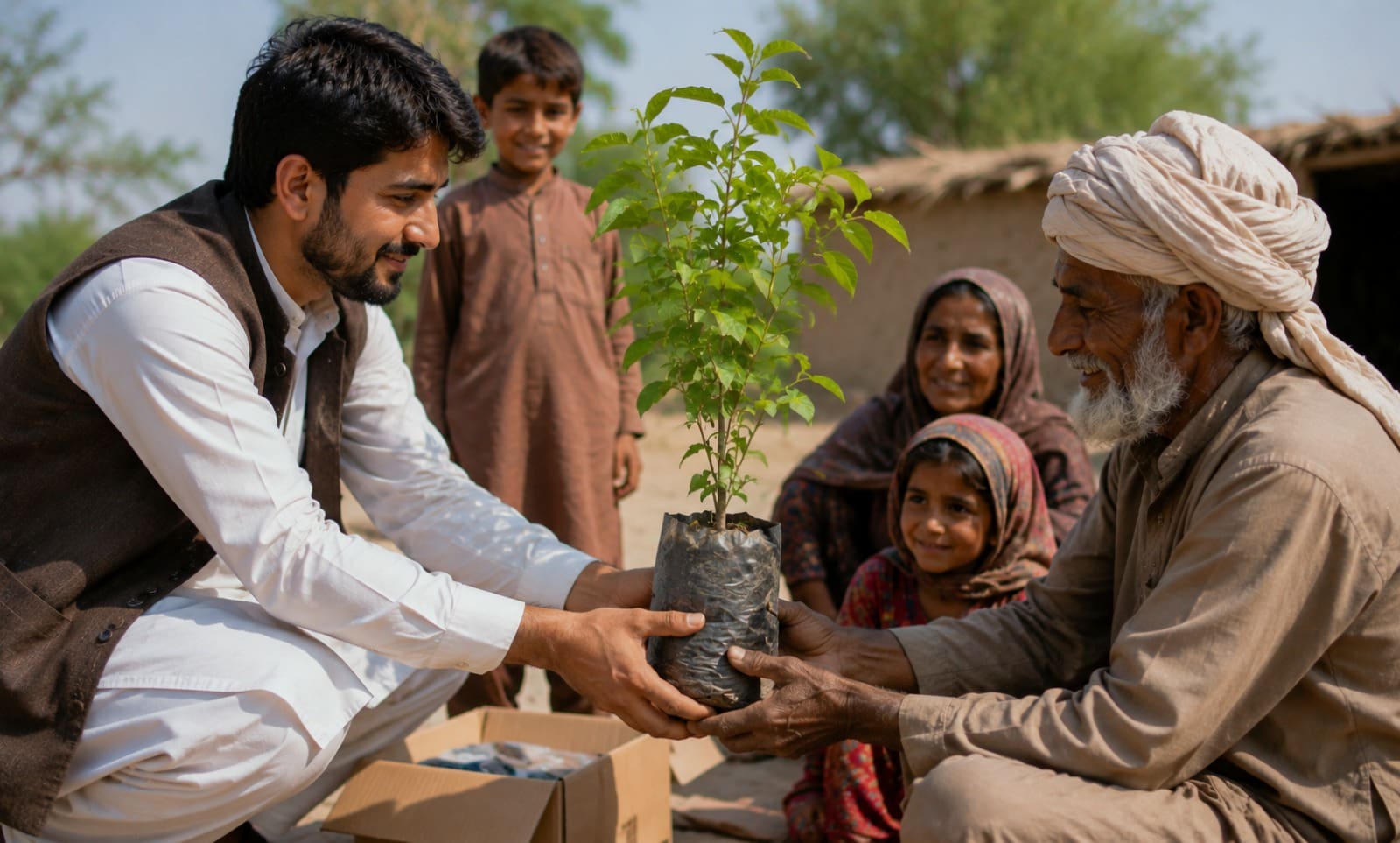
- Sponsorship and Tracking: A trusted plant a tree charity will track the project, ensuring local farming families receive the saplings, and provide you with clear updates on your investment.
Cultivate Hope and Sustainability with Children of Adam
If you want to make sure your environmental charity is executed with the highest level of care, security, and local community support, Children of Adam is here to guide your giving. As a registered UK charity (Charity Commission Registration Number: 1153244), Children of Adam delivers vital emergency relief and sustainable, long-term development projects across Asia, Africa, and the Middle East.
Our specialized tree sponsorship program is designed to provide families with a reliable path out of food poverty. Under our strict 100% donation policy for all developmental funds, every single penny you donate goes directly toward sourcing high-quality, native fruit-tree saplings, training local farmers on sustainable care techniques, and planting them in highly fertile soil.
When you partner with Children of Adam, you are not just planting a seed—you are helping a vulnerable household grow their own sustainable future. Once your tree is successfully planted on the ground, we provide you with complete transparency, including direct feedback and the satisfaction of knowing your green gift is actively protecting families from hunger.
Conclusion: Planting Seeds of Life and Grace
Taking action to protect our global family from hunger is one of the most rewarding steps we can take. By choosing to plant a fruit tree today, you are looking past temporary fixes and building a green foundation for human health, dignity, and economic growth.
Whether you set up a tree donation as a continuous charity for yourself, or choose to plant tree in memory of a beloved parent, your kindness blossoms into a physical source of life for families who are struggling. Partnering with a trusted, highly transparent organization like Children of Adam ensures your green legacy is planted with deep care, turning your digital donation into a leafy, fruit-bearing reality that feeds communities for years to come.
Frequently Asked Questions (FAQs)
What types of fruit trees are planted through these programs?
Charities select tree varieties that are native to the region and highly resilient to local weather conditions. Common choices include olive trees, date palms, fig trees, and citrus trees, as they produce high yields and can thrive for many decades.
How do we ensure the young trees survive?
Field teams do not simply scatter seeds and walk away. Organizations like Children of Adam work closely with local farming families, providing them with quality agricultural training and essential tools to care for the saplings until they are fully mature and strong.
Can I sponsor a tree as a gift for a living person?
Yes! You can easily plant a fruit tree to celebrate a special occasion for a living person, such as a birthday, a wedding, or graduation. It is a unique, environmentally friendly gift that continues to grow and bring them blessings.
How does a tree donation differ from a regular food parcel donation?
A food parcel provides immediate, short-term hunger relief for a few weeks. A fruit tree is a long-term development tool; it takes longer to yield results, but once mature, it provides an annual supply of fresh, healthy food and potential income for generations.