Introduction
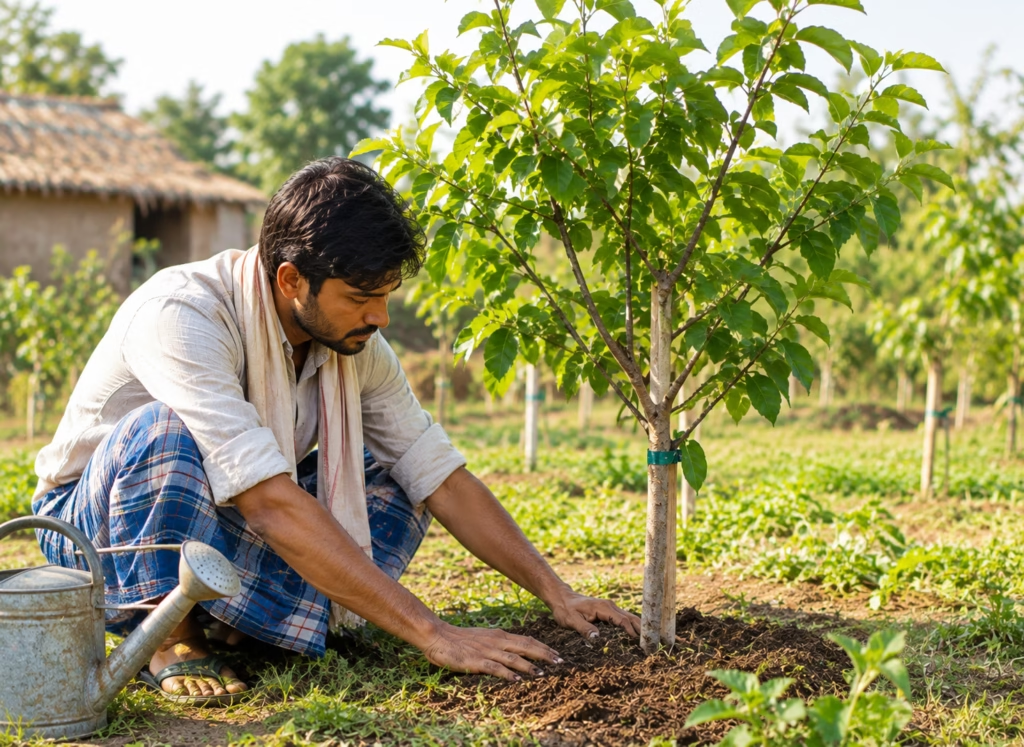
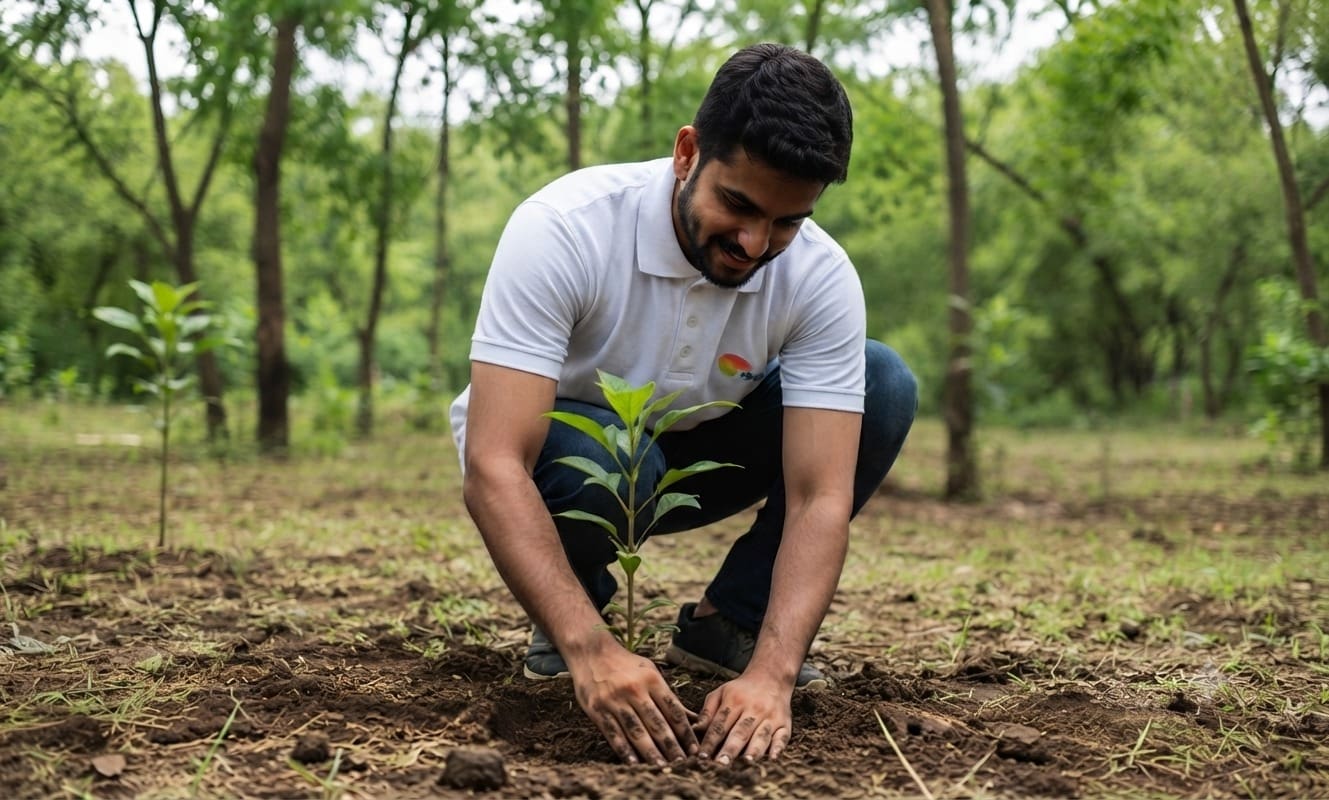
Planting a tree for charity means funding a fruit-bearing sapling for a family or community that needs a sustainable source of food and income. When you give through a plant a tree charity, your donation funds a fruiting tree that keeps producing for decades unlike a one-off food parcel which is why tree planting is widely regarded as one of the strongest forms of sadaqah jariyah (ongoing charity) in Islam.
With most charities, donations start from around £10 per sapling, covering sourcing, transport, and the tree’s early maintenance. This guide explains exactly how tree planting charities work, what your donation actually funds, and how to give one online.
How Tree Planting Charities Work
Tree planting charities don’t simply hand out seeds. A typical project involves:
- Sourcing saplings suited to the local climate and soil
- Distributing basic tools needed for planting and maintenance
- Training farmers and families on planting, pruning, and water-efficient irrigation
- Following up on plantings to check survival rates and replace failed saplings during early establishment
This structured approach matters because a fruit tree typically takes 1 to 3 years to establish before it starts producing reliably. Without training and follow-up support, saplings are far more likely to fail so the charity’s role goes well beyond the initial planting.
Benefits of Donating a Tree
It creates a lasting source of food and income. Once established, a fruiting tree produces annually for decades. Families can eat the harvest directly, sell the surplus at local markets, or process it into goods like jams for additional income.
It tackles malnutrition at the source. In many communities, access to fresh fruit and essential vitamins is limited. A single tree, over its lifetime, can meaningfully improve a family’s diet year after year.
It smooths income between seasons. Because harvests are seasonal, families who sell part of their produce gain a income buffer that a one-time cash donation can’t provide.
It supports the wider community. Where individual land isn’t available, some projects plant community orchards, so the benefit is shared across multiple households rather than a single family.
It builds long-term reward for the donor. As a form of sadaqah jariyah, the ongoing benefit the tree provides — food, income, shade, improved soil — is believed to keep generating reward for the donor for as long as the tree lives.
Plant a Tree Charity UK
Several UK-based Islamic charities, including Children of Adam, run fruit tree planting appeals as part of their Sadaqah Jariyah programmes. These UK charities typically:
- Accept donations online from a low starting price (from around £10 per sapling)
- Allow the donation to be made as Sadaqah or Sadaqah Jariyah
- Offer a dedication certificate if you’re planting in memory of, or on behalf of, a loved one
- Note that Zakat may only be allocated to tree planting where it falls within eligible categories so if you intend your donation as Zakat, you typically need to select that option specifically at checkout
This structure means UK donors can choose exactly how their contribution is categorised, which matters for anyone tracking their annual Zakat obligations separately from voluntary Sadaqah.
Tree Planting vs Other Charity Donations
| Factor | Tree Planting | One-Off Donation (e.g. food parcel) | Water Well |
| Duration of benefit | Years to decades | Single use | Years to decades |
| Ongoing income potential | Yes (harvest sales) | No | No (but ongoing water access) |
| Establishment time | 1–3 years before full yield | Immediate | Immediate once built |
| Typical starting cost | From ~£10 | Varies, often lower | Higher, often shared/pooled |
| Best suited for | Long-term family livelihood | Urgent, immediate need | Community-wide water access |
Why this matters: if someone needs food today, a food parcel is the right choice. If the goal is helping a family build lasting, self-sustaining income, a fruit tree is a stronger long-term option and it counts as sadaqah jariyah, while an emergency food parcel generally does not.
How to Donate a Tree Online
- Choose the number of trees to fund: Most appeals let you fund a single sapling or multiple at once.
- Decide on Sadaqah or Zakat: Select Sadaqah/Sadaqah Jariyah for general giving, or Zakat specifically if you want the donation allocated within eligible Zakat categories.
- Add a dedication, if relevant: Enter the name of the person you’re planting in memory of or on behalf of at checkout.
- Complete payment online: Most charities process this through a simple donation form, similar to other appeals like Quran donation or water wells.
- Receive your certificate and updates: Many charities email a dedication certificate along with programme updates and impact summaries as the trees establish.
Conclusion
Planting a tree for charity turns a single donation, often from as little as £10, into years of food, income, and stability for a family in need. As a recurring form of sadaqah jariyah, the reward for the donor is believed to continue for as long as the tree keeps producing making it one of the most impactful, low-cost ways to give ongoing charity.
Frequently Asked Questions (FAQs)
How much does it cost to plant a tree for charity?
Prices typically start from around £10 per sapling, which covers sourcing, transport, and the tree’s early maintenance until it’s established.
Is planting a tree considered sadaqah jariyah?
Yes. A fruiting tree provides ongoing benefit over many years food, income, and sometimes shade or improved soil which is why it’s widely regarded as one of the strongest forms of sadaqah jariyah.
Can I plant a tree in memory of someone?
Yes. Most charities let you dedicate the donation to a loved one, living or deceased, and will issue a dedication certificate you can keep or share.
Can I use Zakat to plant a tree?
It depends on allocation and beneficiary eligibility. If you intend your donation as Zakat, select that option at checkout so the charity can allocate it within eligible categories rather than as general Sadaqah.
How long does it take for a donated tree to produce fruit?
A fruiting tree typically establishes in its first 1 to 3 years, then produces annually for decades with proper care.
What happens if my donated sapling fails to grow?
Reputable charities track plantings and conduct follow-ups, replacing failed saplings during the early establishment period where feasible.
Do I get updates after donating a tree?
Most charities share programme updates and impact summaries by email and on their website as the trees are planted and established.
What’s the difference between donating a tree and other Sadaqah Jariyah options?
A tree donation provides a renewable, income-generating resource over decades, whereas options like a Quran or water pump provide ongoing benefit in a different form spiritual/educational access or clean water rather than food and income.