Many people hold back from giving because they feel their gift is too small to matter. You may have wondered the same. Can £10 or £20 really change anything? The honest answer is that one small gift rarely builds a well or a classroom by itself. But many small gifts, joined together, often can. That is the heart of a sadaqah jariyah donation made as part of a group. In this article, we look at how pooled giving works, why funding milestones matter, what you can realistically expect, and why clear updates build trust.
What Does Collective Sadaqah Jariyah Mean?
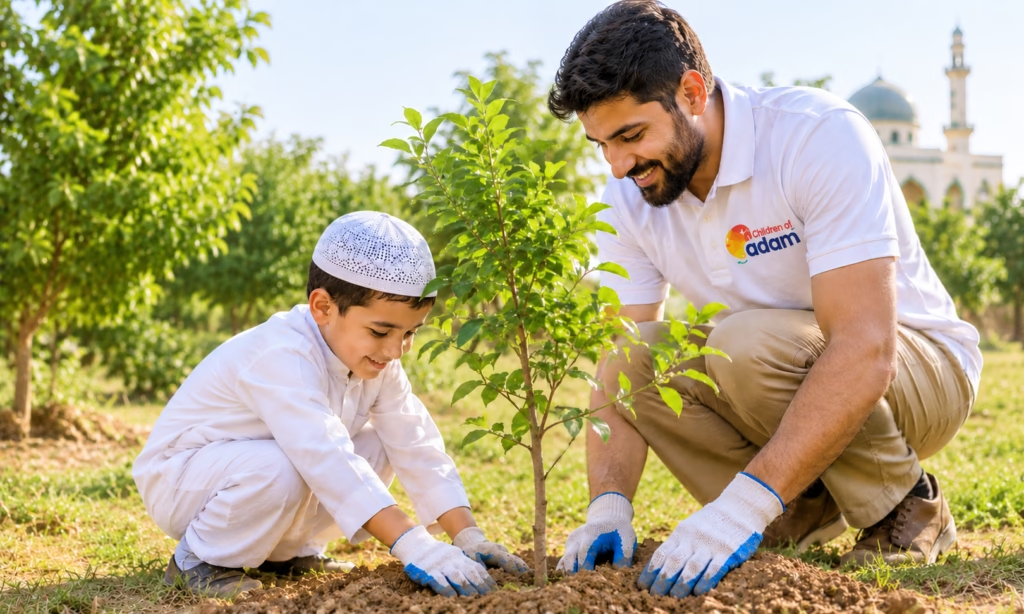
Sadaqah jariyah means ongoing charity. It is a gift whose benefit keeps flowing long after the money has been given. A well, a school, a copy of the Quran or a fruit tree are common examples. A well-known hadith in Sahih Muslim lists ongoing charity as one of the things that keep benefiting a person after death.
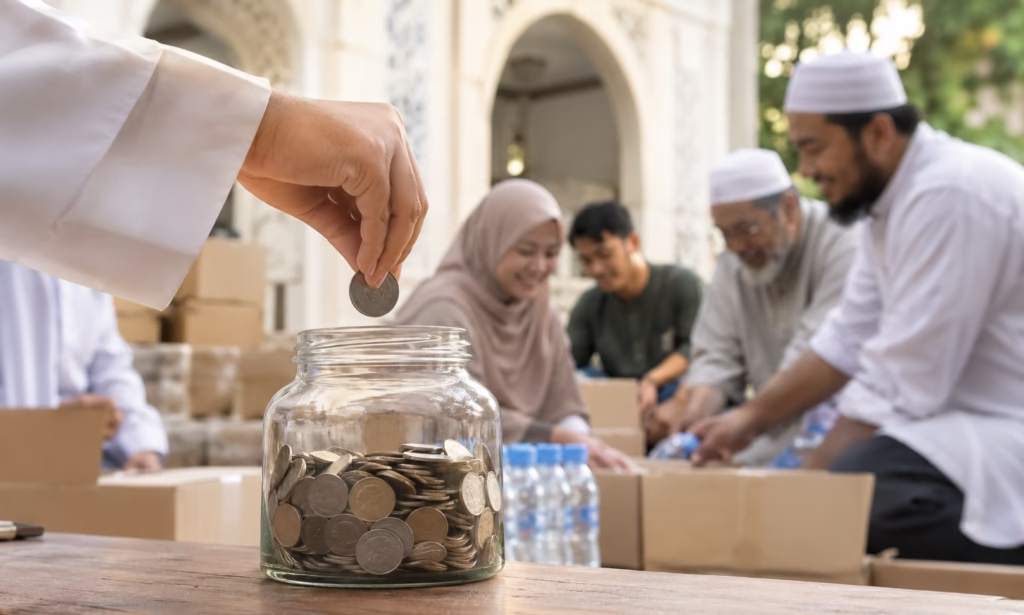
The challenge is that lasting projects often cost more than one person can give. A reliable water pump or a classroom needs materials, labour and upkeep. Collective giving solves this problem. Lots of people give what they can, and the money is added together until the project is funded. No one has to carry the whole cost, and every gift becomes part of something bigger. As for reward, that is with Allah alone. We should never judge it by the size of the amount.
How Pooled Giving Works
Many gifts, one shared goal
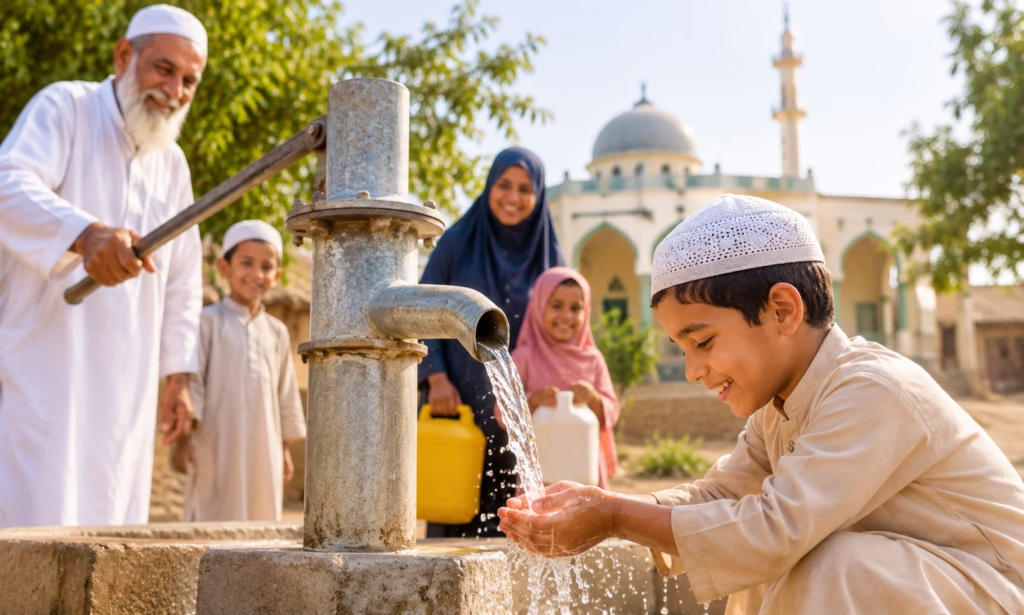
Imagine a village that needs a hand pump. If 100 people each give a small amount, the pump can be paid for without anyone feeling the strain. This is only an example, but it shows the idea. Your sadaqah donation is not lost in the crowd. It is one of the pieces that makes the whole possible.
Why a shared pot helps
When funds are pooled, a charity can plan properly. It can schedule the work, buy what is needed and set aside money for repairs. Small, scattered gifts are much harder to turn into a finished project. Pooling also means that people who can only give a little are still included, which is a lovely part of this kind of giving.
Funding Milestones: Seeing Progress Step by Step
Large projects rarely happen in one go. Good charities often break them into stages, called milestones. For example:
- Stage one: raising enough money to start.
- Stage two: buying materials and beginning the work.
- Stage three: finishing the project and handing it to the community.
- Stage four: checking on it and arranging repairs when needed.
Milestones help donors see where their money is in the process. They also make it easier to spot problems early. If you want to give sadaqah to a long-term project, ask the charity how it measures progress and how often it checks in.
Realistic Expectations for Every Sadaqah Jariyah Donation
It is important to be honest here. A small gift does not guarantee one particular result. Costs change from place to place, and projects can be delayed by weather, transport problems, rising prices or local conditions. Sometimes a target is reached quickly. Sometimes it takes months.
A trustworthy charity will explain what happens if a project is fully funded early, or if it cannot go ahead. Many use the extra money for a similar project, but policies differ, so it is fair to ask. A sadaqah jariyah donation, however small, is a real contribution to a shared effort. It is not a promise of one exact outcome.
Why Transparent Updates Matter
Giving is an act of trust, and clear updates keep that trust strong. Photos, short reports and progress notes show donors that work is moving forward. They also show what went well and what did not.
Honest updates are not always good news. A charity that tells you about a delay is often more reliable than one that only shares success stories. If you want to see how one organisation explains its work, explore where your donation goes.
Questions worth asking before you give
- What will my gift help to fund, and is the project paid for in stages?
- How will I hear about progress?
- What happens if more or less money is raised than needed?
- Who looks after the project once it is finished?
- Can I see reports or photos from earlier projects?
Making Small Gifts Add Up Over Time
Many people now choose sadaqah online because it lets them give small amounts often, such as every Friday or every month. Over a year, these gifts can add up to more than one large gift made once. The same is true of sadaqah jariyah online, where regular giving can help projects move through each stage.
Our article on the lifelong benefits of giving sadaqah regularly explains why being consistent matters. If water projects interest you, sadaqah jariyah water project is a good next to explore.
Final Thoughts: Small Gifts, Shared Impact
A sadaqah jariyah donation may feel small on its own, but collective giving turns many modest gifts into something lasting. Look for clear milestones, honest expectations and regular updates, and give with a sincere intention. The best giving is thoughtful, steady and shared.
Be Part of Something Bigger
Children of Adam is a registered UK charity based in Peterborough (charity number 1153244). We follow a 100% donation policy for Zakat, Sadaqah and Lillah, so every pound given to these funds goes to the cause. If you would like to join others in a lasting project, you can give to our Sadaqah Jariyah appeal. You can also call us on 0300 321 0032.
Frequently Asked Questions
Can a small sadaqah donation really make a difference?
Yes, when it is part of pooled giving. Many small gifts together can fund projects that no single person could pay for. No charity can promise one exact result, but a good one will explain how funds are used.
What is the difference between sadaqah and sadaqah jariyah?
Sadaqah is any voluntary act of charity, from a kind word to a gift of money. Sadaqah jariyah is charity with a lasting benefit, such as a well, a school or a tree.
How can I tell if a project is genuine?
Check that the charity is registered, ask how the project is funded, and look for regular updates, reports and photos. You can search the Charity Commission register for charities in England and Wales.
Can I give sadaqah jariyah for someone who has passed away?
Many people do this, and many scholars allow it. If you are unsure, ask a trusted scholar.
Is it fine to give sadaqah online?
Yes. Giving online is simply another way to pay. What matters most is your intention and how the charity uses your gift.