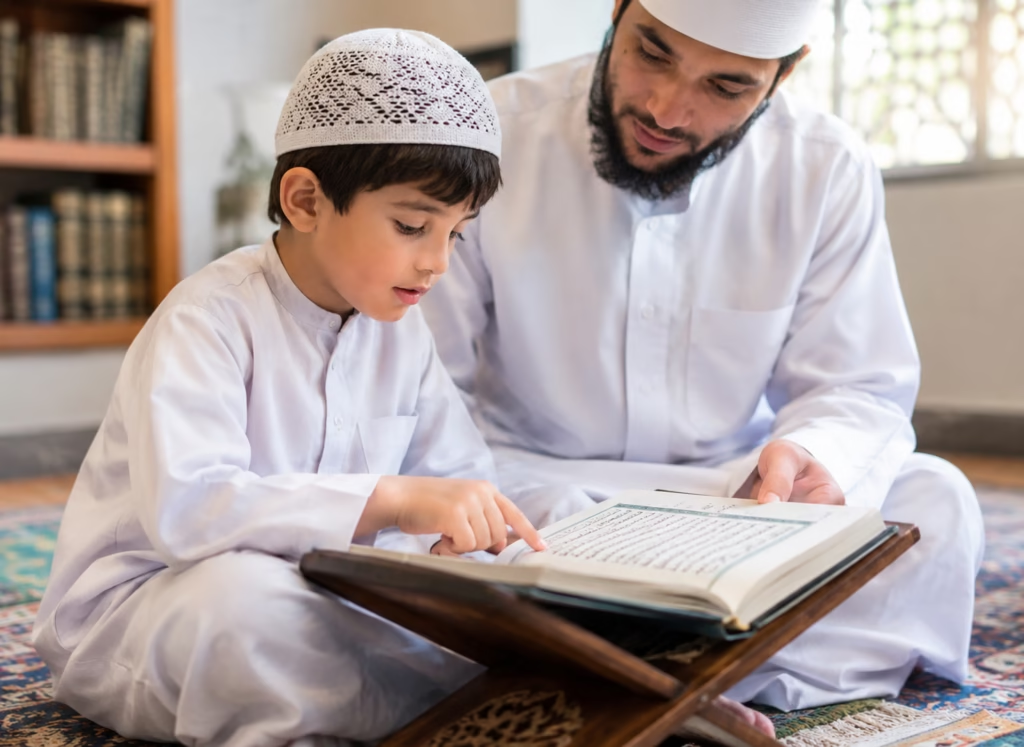
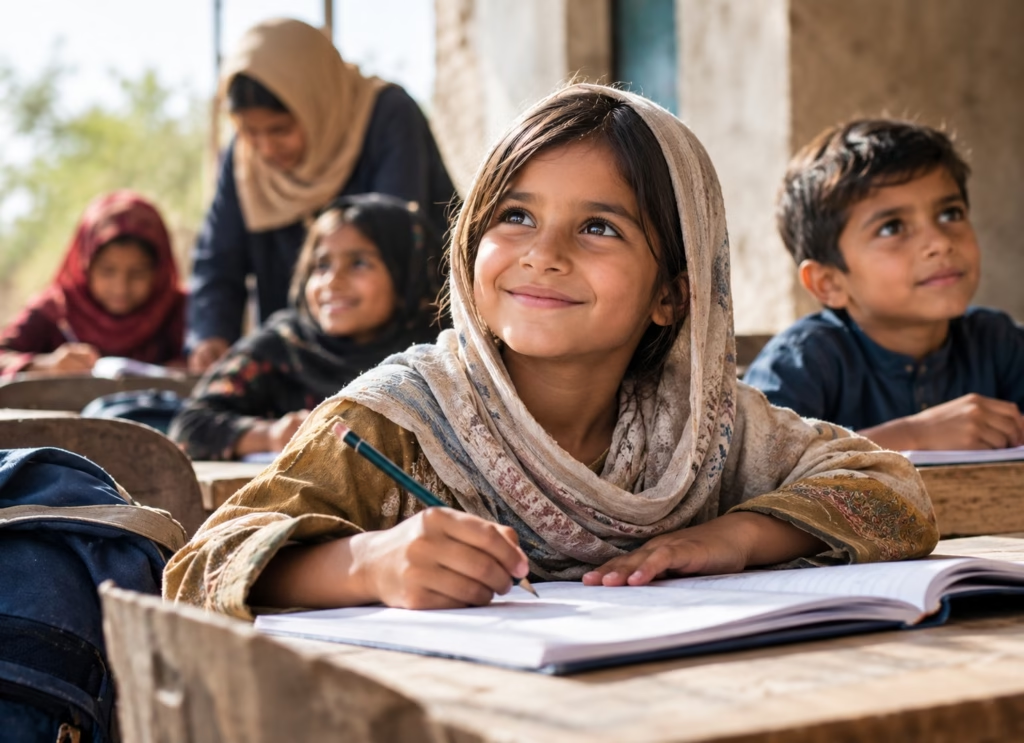
Every child deserves the chance to learn, grow and dream about the future. Education can help children gain knowledge, build confidence and develop the skills they need for adult life. But for children facing poverty, family loss or other difficult circumstances, getting a good education is not always easy.
Some children lack school supplies, safe classrooms or reliable transport. Others may have to help their families earn money or care for younger siblings. Children who have lost one or both parents may face extra challenges when it comes to school fees, daily needs and emotional support.
Education for vulnerable children is about giving every child a fair chance to learn, whatever their background. It means looking beyond immediate needs and helping children build a stronger foundation for their future.
Why Education Is More Than Learning to Read and Write
Education teaches children much more than facts and figures. It helps them develop skills they can use throughout life.
At school, children learn to read, write, solve problems and understand the world around them. They also practise teamwork, communication and decision-making. These skills can help them make informed choices as they grow older.
Education can also give children a sense of routine and purpose. A supportive teacher, a friendly classroom and the chance to learn something new can help a child feel included and valued.
For children experiencing hardship, these opportunities can be especially important. When they have access to a safe and welcoming learning environment, they can begin to see possibilities beyond the difficulties they face today.
The Main Barriers to Education for Children
Although education is important, many children face challenges that make regular school attendance difficult. Understanding these barriers is the first step towards finding useful solutions.
1. Poverty and the cost of schooling
School may be free in some places, but families can still face costs for uniforms, books, stationery, transport and meals. These expenses can be difficult to manage when a household struggles to afford food and housing.
Parents may have to make painful choices between school-related costs and other essential needs. Some children may miss lessons because they lack suitable clothing, supplies or transport.
The link between child poverty and education is clear: financial hardship can make learning harder to access, while limited education can later reduce a child’s choices for work and income.
Helping families meet practical school costs can make it easier for children to attend classes regularly and focus on learning.
2. Losing a parent or caregiver
Losing a parent can change a child’s life in many ways. Alongside grief, a child may face a sudden loss of income, housing insecurity or a change in who looks after them.
Some children may move to live with relatives, change schools or take on extra responsibilities at home. These changes can interrupt learning and make it harder to keep up with lessons.
Orphan support can help address some of these difficulties when it responds to the child’s needs. Depending on the circumstances, useful support may include help with school costs, learning materials, daily essentials and access to trusted adults.
Children also need time, patience and emotional care. A stable and understanding environment can help them feel safe enough to return to learning and take part in school life.
3. Limited access to schools and teachers
In some communities, schools are far from home or lack enough classrooms, books and trained teachers. Long journeys can be tiring and may make attendance difficult, particularly for younger children.
Large classes and limited learning materials can also make it harder for pupils to receive individual help. Children who fall behind may lose confidence if they do not have a chance to ask questions or practise key skills.
Improving access may involve supporting local schools, providing suitable learning resources or helping children reach existing educational services. The best solution depends on what the community needs most.
4. Emotional stress and a lack of support
Children who experience hardship may find it difficult to concentrate. Worry about money, family problems, loss or an uncertain living situation can affect how they feel and learn.
This does not mean they are unable to succeed. It means that education works best when children receive support as well as lessons.
Teachers who notice when a child is struggling can help them find the right support. Encouragement, patient teaching and a predictable routine can make learning feel more manageable.
How Education Can Shape a Child’s Future
The long-term impact of education can reach far beyond the classroom. While education cannot remove every challenge, it can give children more tools to deal with them.
Building knowledge and confidence
Learning helps children understand their strengths and discover new interests. As they make progress, they may become more confident about asking questions, sharing ideas and trying unfamiliar tasks.
This confidence matters because children who believe they can improve may be more willing to keep going when schoolwork becomes difficult.
Creating more choices in adult life
Education can prepare children for further study, vocational training and different kinds of work. Reading, writing, mathematics and digital skills can all be useful in daily life and future employment.
A stronger education may help young people explore more options as adults. However, outcomes also depend on factors such as local job opportunities, health, family support and access to further training.
Supporting families and communities
When children have opportunities to learn, they may be better equipped to contribute to their communities in the future. They can share knowledge, take part in local decisions and use their skills to help solve problems.
Education can also help children understand topics such as health, personal safety and money management. These skills can support everyday decisions throughout life.
The aim is not to place the burden of changing a whole community on a child. It is to give each child the chance to develop their abilities and decide what they want to do with them.
Practical Ways to Support Children’s Education
Improving access to learning does not always require one large solution. Often, several forms of support work best together.
Help with essential school resources
Books, pens, uniforms and other supplies help children take part in lessons. Depending on local needs, support with transport, meals or school-related costs may also improve attendance.
It is important to find out what children actually lack before providing resources. A useful response addresses a real need rather than assuming every family requires the same kind of help.
Encourage regular attendance and learning at home
Families and caregivers can help by building simple routines around schoolwork, asking children about their day and showing interest in what they are learning.
A quiet study space may not be possible in every home, but even a short period of reading or revision can help. Children should be encouraged without being made to feel ashamed when they struggle.
Work with trusted local organisations
Schools, community groups and charities may be able to identify children who need extra support. Working with people who understand local circumstances can help make assistance more suitable and consistent.
An orphan charity may offer support for children who have lost parental care, depending on its programmes. Before choosing an organisation, it is sensible to check its work, how it protects children and how it explains the use of donations.
A responsible child sponsorship charity may help address ongoing needs rather than providing one-off assistance alone. The exact support varies, so people should check what a sponsorship programme includes and how it is managed.
For Muslim donors, Islamic orphan sponsorship may be one way to support eligible children through a charitable organisation. It is important that support respects each child’s dignity, privacy and individual circumstances.
Why Long-Term Support Matters
A school uniform or a set of books can be helpful, but a child’s education usually lasts for years. Continued support can make it easier to deal with new challenges as children move into higher classes and their learning needs change.
Long-term planning may include checking attendance, helping children access suitable resources and identifying difficulties before they lead to missed lessons. It should also take account of each child’s safety, wellbeing and views.
Support should not make children feel that they owe anyone something in return. They deserve dignity and care simply because they are children.
When considering an orphan sponsorship programme, ask how it supports children’s needs over time, how progress is reviewed and what safeguards are in place. Clear information helps donors make informed choices and encourages responsible practice.
Most importantly, children should have the opportunity to learn in ways that suit their abilities and circumstances. Some may need extra help with reading, while others may benefit from additional lessons, vocational guidance or emotional support.
Help Children Build a Brighter Future with Children of Adam
Every child deserves the chance to learn, feel supported and work towards their goals. Children of Adam is a UK-registered Islamic charity that supports vulnerable people through humanitarian and charitable projects.
Every child deserves care, support and the opportunity to build a brighter future. Help vulnerable children access the support they need by contributing to Children of Adam’s Sponsor an Orphan appeal. Your support can help address a child’s needs and create opportunities for them to learn, grow and work towards a more secure future.
Frequently Asked Questions
Why is education important for vulnerable children?
Education helps children develop knowledge, practical skills and confidence. It can open doors to further study and future work, while giving children a more stable routine and opportunities to connect with others.
What are the main barriers to education for disadvantaged children?
Common barriers include poverty, school-related costs, long journeys, a shortage of learning materials and limited access to teachers. Family loss, caring responsibilities and emotional stress can also affect attendance and progress.
How can education help children who have lost a parent?
Education can provide routine, learning opportunities and a sense of progress during a difficult time. Practical help with school costs and supplies, alongside emotional support, may help children continue their studies.
What is orphan sponsorship?
Orphan sponsorship is a form of charitable support intended to help eligible children who have lost one or both parents. What it covers depends on the organisation and programme, so donors should check the details before contributing.
How can people support children’s education?
People can support education by helping provide school supplies, contributing to suitable educational programmes, volunteering where appropriate or supporting trusted organisations. The most useful approach depends on the needs identified by children, families and local communities.
What should I check before supporting an orphan charity?
Look for clear information about its programmes, how funds are used, how children are protected and how the organisation reports its work. A trustworthy charity should treat children with dignity and explain its activities in a clear way.