Every child deserves the chance to learn, grow and build a better future. For Muslim children, learning about the Quran can be an important part of this journey. It helps them understand their faith, develop good values and find guidance for everyday life. However, not every child has access to the books, teachers or quiet learning spaces they need.
In underserved communities, families may face poverty, limited educational facilities or a lack of learning materials. These challenges can make it harder for children to study the Quran regularly. Quran education for children is about more than reading words on a page. It gives young learners the chance to understand Islamic teachings and develop a stronger connection with their faith.
By making learning more accessible, families and communities can help children build knowledge that stays with them as they grow.
Why Quran Education Matters in Childhood
Childhood is an important time for learning. Children begin to understand the world around them, develop habits and learn how to treat other people. The lessons they receive during these years can shape their choices later in life.
The Quran teaches values such as honesty, kindness, patience, respect and care for others. When children learn these lessons in a way they can understand, they can begin to use them at home, at school and in their communities.
For example, a child learning about kindness may become more thoughtful towards friends and family. A lesson about honesty can help them understand why telling the truth matters, even when it is difficult.
These are some of the key benefits of Quran education. Alongside reading and recitation, children can learn about the meaning of the verses and how Islamic teachings relate to daily life.
The Challenges Faced by Children in Underserved Communities
For many families, access to religious education is not always simple. Parents may want their children to learn the Quran but face practical barriers that make regular lessons difficult.
Limited access to books and learning materials
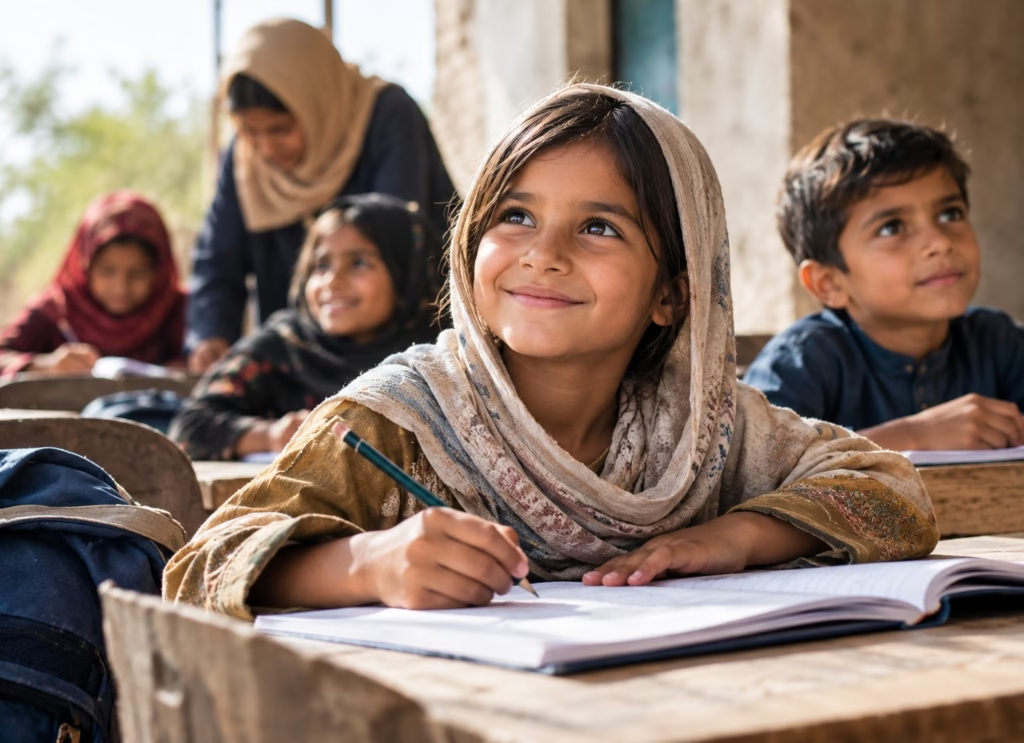
Some families cannot easily afford books for every child. In a classroom, several pupils may have to share one copy, making it harder for each child to follow the lesson or practise independently.
A shortage of suitable learning materials can slow progress and make lessons less engaging. Having access to a personal copy, where possible, allows children to practise at their own pace and return to lessons whenever they need to.
A lack of trained teachers
Learning the Quran well takes guidance and practice. A supportive teacher can help children improve their pronunciation, understand what they read and build confidence when asking questions.
In some areas, there may be few trained teachers nearby. Families may also struggle with travel costs or lesson fees. These difficulties can prevent children from attending classes regularly.
Poverty and competing needs
Families facing financial hardship often have to focus on essentials such as food, housing, clothing and healthcare. Educational resources may be difficult to afford when money is already stretched.
This does not mean parents care less about their children’s learning. It means they may need more support to provide the opportunities their children deserve.
Recognising these barriers is an important step towards improving access to Islamic education for children.
How Quran Learning Can Support a Child’s Development
Learning the Quran can support children in several ways. Every child learns at a different pace, but patient teaching and regular practice can help them grow in knowledge and confidence.
1. Building a stronger understanding of faith
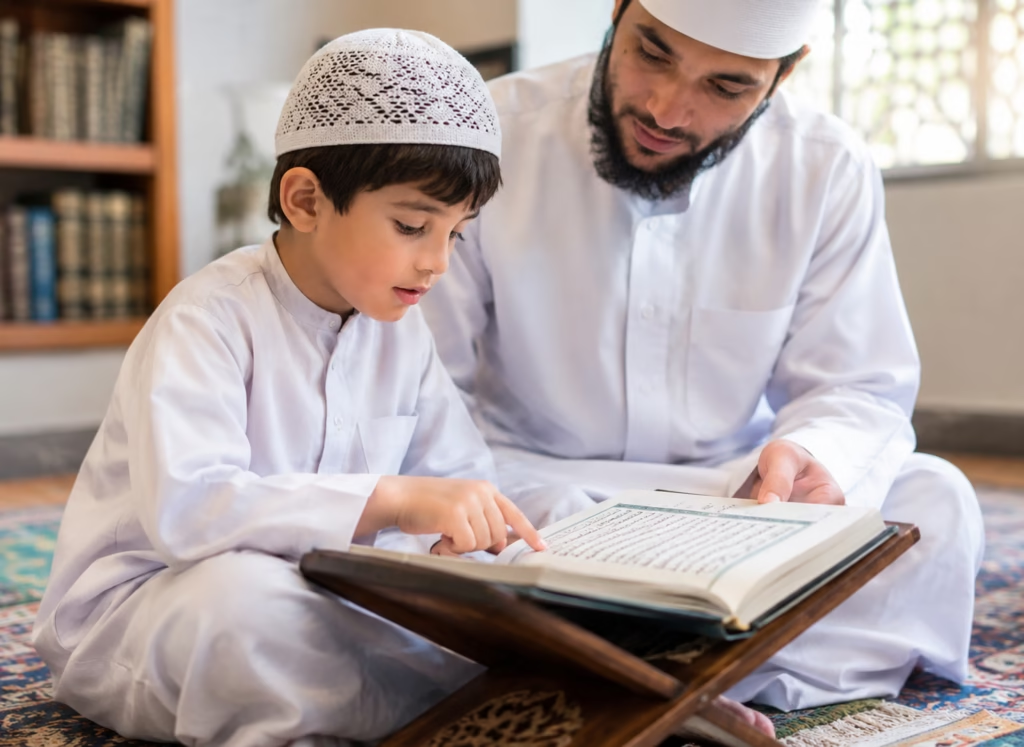
Learning to read and recite the Quran helps children become familiar with their holy book. As they grow older, age-appropriate explanations can help them explore its messages and understand how Islamic teachings guide their lives.
Children should be encouraged to ask questions and learn without fear of making mistakes. This helps create a positive relationship with learning.
2. Developing patience and discipline
Reading, practising pronunciation and memorising verses all take time. Children learn that progress often comes through small, regular steps rather than trying to master everything at once.
These habits can also help them with other areas of study. A child who learns to practise a little each day may become more comfortable working towards other goals.
3. Learning kindness and responsibility
The Quran contains guidance about caring for others, keeping promises, showing gratitude and acting fairly. Teachers and parents can help children connect these ideas to real situations.
For example, children might discuss how to help a classmate, respect an older person or share with someone who has less. These simple conversations can make learning meaningful beyond the classroom.
4. Finding comfort and belonging
Faith can be a source of comfort during difficult times. Learning alongside family members, teachers or other children can also help young people feel connected to their community.
A welcoming learning environment matters. Children should feel safe, supported and able to learn at a pace that suits them.
Making Children’s Islamic Learning More Accessible
Improving access to religious education does not always require a large school or expensive equipment. Small, practical steps can make learning easier for children and their families.
Create regular learning opportunities
A short, consistent lesson can be more helpful than an occasional long session. Families can set aside a regular time for reading or revision, while local learning groups can help children practise together.
Lessons should suit each child’s age and ability. Younger learners may need short activities, while older children may be ready to explore meanings and themes in greater detail.
Provide suitable books and resources
Good learning materials help children follow lessons and practise what they have learnt. Where resources are limited, shared libraries or classroom collections can give more pupils access to books.
Responsible Quran distribution can help address shortages when copies are delivered to places where they are genuinely needed. The aim should be to make learning easier, while ensuring that books are treated with care and used for their intended purpose.
Families who wish to donate Islamic books can consider whether the materials are suitable for the age, language and learning needs of the people who will receive them.
Support teachers and local learning spaces
Teachers play an important role in helping children learn correctly and confidently. Community support can help local classes gain access to suitable materials, safe spaces and regular teaching.
Parents can also stay involved by asking children what they have learnt, encouraging practice and celebrating progress rather than expecting perfection.
The Role of Communities and Charities
Supporting children’s learning is a shared responsibility. Parents, teachers, community leaders and charitable organisations can each play a part in reducing barriers.
A responsible Quran charity may help communities access religious learning resources, depending on its aims and programmes. Before supporting any organisation, it is sensible to check how it works, where its support goes and whether it explains its activities clearly.
The phrase Islamic charity Quran may be used when people search for organisations that help provide access to the Quran. However, printed copies are only one part of the wider picture. Children also need suitable teaching, time to practise and an environment where they feel encouraged.
A well-planned Quran project should consider what a community actually needs. In one place, this may mean making books available. In another, the greater need may be access to teachers or a regular learning space. Listening to local families can help support reach children in a useful and respectful way.
The goal is not simply to provide resources. It is to help children use those resources to learn, grow and build a lasting understanding of their faith.
A Lasting Investment in Children’s Futures
When children have the chance to learn the Quran, they gain more than reading practice. They can explore their faith, develop good habits and learn values that guide their relationships with others.
For children in underserved communities, these opportunities may depend on access to basic resources and supportive teachers. Removing barriers can help make learning more consistent and welcoming.
Quran education for children should not depend only on where a child is born or what their family can afford. With thoughtful support from families and communities, more children can have the chance to learn, ask questions and build a meaningful connection with the Quran.
Support Access to the Quran with Children of Adam
Every child deserves the opportunity to learn and grow. Children of Adam is a UK-registered Islamic charity working to support people facing hardship through humanitarian projects. Help make Quran education more accessible to communities in need by supporting Children of Adam’s Donate a Quran appeal.
Frequently Asked Questions
Why is Quran education important for children?
It helps children learn about their faith, practise recitation and understand Islamic values such as honesty, kindness and patience. It can also encourage regular learning and reflection.
What are the benefits of Quran education for children in underserved communities?
It gives children an opportunity to access religious learning that may otherwise be difficult to reach. With suitable teaching and materials, children can develop their reading skills, build confidence and learn about their faith.
What makes Quran learning difficult for some children?
Common barriers include a shortage of books, limited access to trained teachers, travel difficulties and the cost of lessons. Families facing financial hardship may find it harder to provide regular learning opportunities.
How can parents support children’s Islamic learning at home?
Parents can set aside a regular time for practice, listen to their children read, ask what they have learnt and encourage questions. Keeping lessons positive and suitable for the child’s age can make learning more enjoyable.
How can communities improve access to Quran education?
Communities can support local teachers, create welcoming learning spaces, share suitable resources and identify which families need help. Working with trusted organisations may also help address gaps in access.
How can a charity help children access the Quran?
Depending on its programmes, a charity may help provide learning materials or support access to religious education. People should check an organisation’s stated aims and how it delivers its work before choosing to support it.