Ramadan is a time of immense spiritual blessing, but for millions living in poverty, it also brings anxiety about how they will manage their fast. While the act of giving charity is simple, delivering that aid effectively to remote villages, refugee camps, and crisis zones is a massive, complex operation. It requires meticulous planning, reliable local sourcing, and dedicated management of logistical challenges.
Our mission is to ensure that every fasting person, no matter where they live, has the vital sustenance needed to observe the month with dignity. That is why the distribution of ramadan food packs is one of the most critical projects we undertake each year. These ramadan food parcels are not just bags of food; they are monthly lifelines designed to provide complete food security to vulnerable families throughout the holy month.
This guide will take you behind the scenes, explaining exactly what goes into a typical ramadan food packs and detailing the challenging process of making sure this emergency aid reaches those who need it most, guaranteeing the spiritual reward for every donor.
What Goes into the Ramadan Food Parcels?
The effectiveness of any food aid program rests on the contents of the parcel. A standard ramadan food parcels must be comprehensive, culturally appropriate, and capable of sustaining a family for approximately 30 days.
1. Focusing on Staple Items
The core of every food pack consists of basic staple items that form the basis of local diets and provide essential sustained energy for fasting:
- Rice and Flour: These two components are the bedrock of daily meals, whether used to make bread, porridge, or the main dinner dish. They provide the complex carbohydrates needed for energy retention throughout a long fast.
- Lentils and Pulses: Crucial for providing affordable and sustainable protein. Lentils are rich in fibre and minerals, which are essential for health and malnutrition prevention during the fasting period.
- Cooking Oil and Sugar: Cooking oil is necessary for preparing meals, and sugar is included for breaking the fast and providing necessary energy.
By concentrating on staple items, we ensure the aid is practical and can be prepared using local cooking methods, restoring a sense of normalcy and dignity to vulnerable families.
2. Tailoring to Cultural Needs
We understand that one food pack does not fit all. The contents of ramadan food packs distributed in Southeast Asia will differ from those distributed in East Africa or the Middle East. For example, some regions might receive specific types of pasta or beans, while others require specific spices or dried fish.
Our commitment to local sourcing ensures that not only do we support the local economy, but the food is also familiar, well-received, and culturally appropriate for the beneficiaries. This respect for local traditions is key to successful and sustainable distribution.
Overcoming Logistical Challenges
Distributing thousands of ramadan food parcels globally before the start of Ramadan is an undertaking fraught with logistical challenges. The process requires careful coordination across multiple countries, often involving difficult terrain and bureaucratic hurdles.
Local Sourcing vs. Importation
Our strategy relies heavily on local sourcing for several crucial reasons:
- Speed and Freshness: Buying within the country reduces transit time, getting fresh food to the beneficiaries faster.
- Cost Efficiency: Purchasing goods locally eliminates expensive international shipping and customs fees, meaning more of your donation goes directly toward buying food.
- Economic Support: Local sourcing provides direct income to farmers, suppliers, and local businesses in the region receiving the aid, boosting the local economy alongside providing emergency aid.
The Logistical Challenges of the “Last Mile”
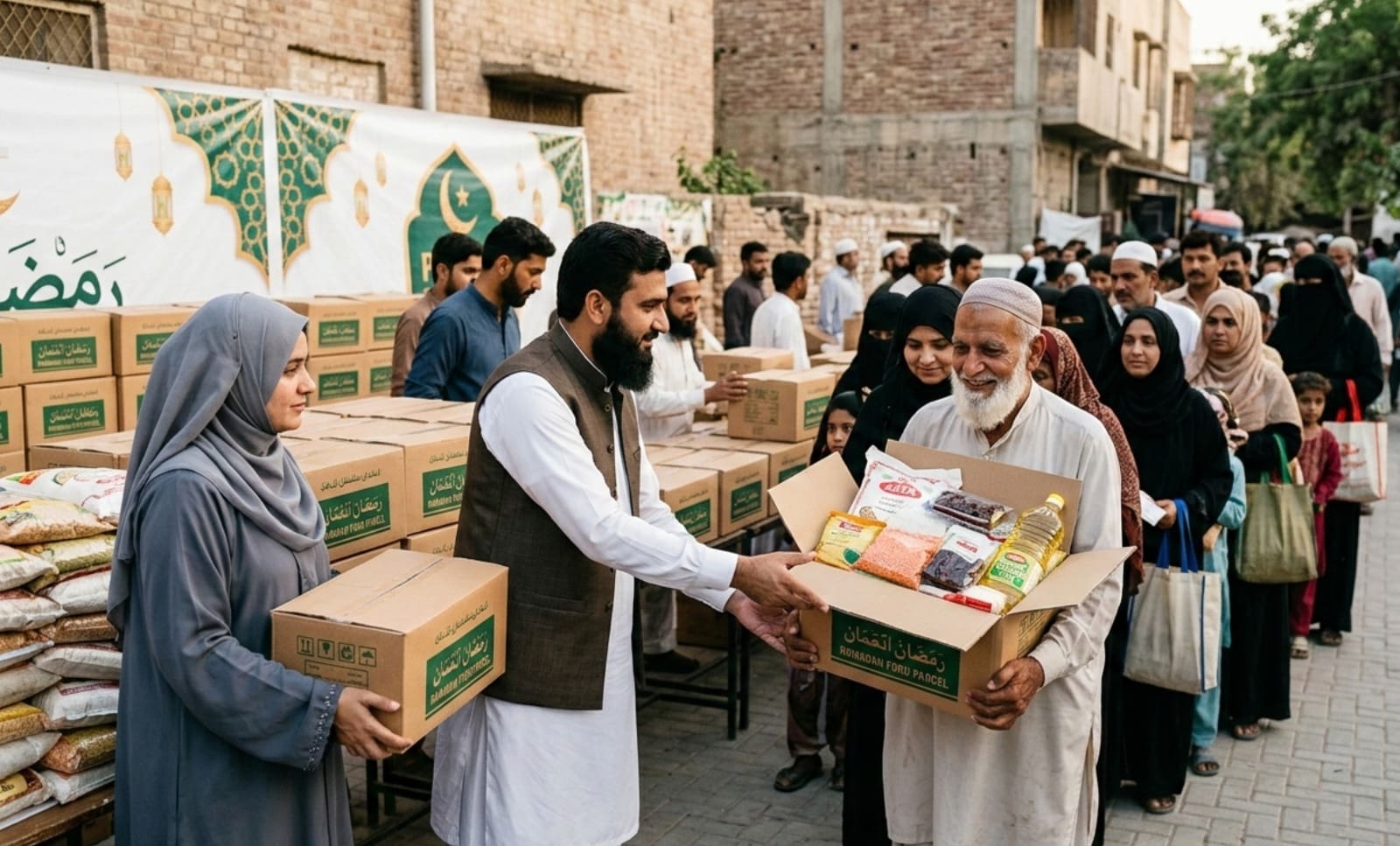
The hardest part of the operation is often the “last mile”—getting the food from the major distribution hub to the remote village or refugee settlement.
- Difficult Terrain: Many vulnerable families live far from main roads, requiring the use of smaller, often unpaved vehicles, donkeys, or even manual portering to reach them.
- Security: In conflict zones, security risks and checkpoints present significant logistical challenges and delays, demanding constant communication and official permissions to ensure safe passage.
- Distribution Planning: To maintain dignity and order, distribution must be carefully planned using unique beneficiary tokens or lists to avoid chaos and ensure efficient and sustainable distribution.
Emergency Aid and Sustainable Distribution
While the immediate goal of ramadan food packs is hunger relief during the holy month, the program also plays a vital role in providing emergency aid and setting up a model for sustainable distribution.
The Dual Purpose of Ramadan Food Parcels
For communities recently impacted by disaster or conflict, these ramadan food parcels serve as essential emergency aid. By providing a full month’s worth of food, it frees up the family’s limited resources to address other urgent needs, such as securing shelter or accessing medical care. The guaranteed food supply allows families to focus on recovery rather than survival.
Commitment to Sustainable Distribution
Children of Adam is committed to sustainable distribution, which means:
- Transparency: Providing verifiable reports to donors on exactly where and how the ramadan food packs were distributed, guaranteeing aid transparency.
- Efficiency: Constantly refining logistics to lower operational costs and maximize the nutritional value delivered per pound/dollar spent.
- Community Involvement: Working directly with local community leaders and volunteers to ensure the aid is culturally sensitive and reaches the most overlooked vulnerable families.
This focus on robust distribution ensures that your charitable intent is fully translated into tangible relief on the ground, making your decision to Feed the fasting an incredibly impactful one.
Partner with Children of Adam: Guaranteed Impact
At Children of Adam, our core mission is to bring light and hope to the most vulnerable, whether through ramadan food packs, orphan sponsorship, or essential water projects. We have built strong relationships with trusted partners across the globe, allowing us to navigate complex logistical challenges and ensure that our aid is distributed ethically and effectively.
When you contribute to our Ramadan appeal, you are investing in a proven system of sustainable distribution that prioritises local sourcing and effective emergency aid. We guarantee that your donation will provide comprehensive food security for vulnerable families during the most blessed time of the year. Your contribution to ramadan food parcels is an act of deep compassion and a guaranteed source of multiplied reward.
To help us Feed the fasting and support our global ramadan food packs distribution efforts, Contact Children of Adam today to make your donation.
Frequently Asked Questions (FAQs)
Q1: What is the primary advantage of local sourcing for ramadan food packs?
Local sourcing offers three main advantages: it is cost-effective by eliminating international shipping fees, it ensures the ramadan food packs contain culturally appropriate staple items that beneficiaries are accustomed to eating, and it directly supports the local economy in the area receiving the aid.
Q2: How does a ramadan food parcels address food security?
A ramadan food parcels addresses food security by providing a comprehensive, non-perishable supply of staple items (like rice and flour) designed to last an entire month. This guarantees that vulnerable families have sufficient food to cover both their Sehri and Iftar meals, removing daily hunger relief anxiety.
Q3: What is meant by logistical challenges in food distribution?
Logistical challenges refer to the difficulties encountered in getting aid to the final recipient. This includes navigating poor infrastructure, securing safe passage through checkpoints, managing complex customs requirements, and physically transporting heavy ramadan food packs across vast or difficult terrain (the “last mile” problem).
Q4: Besides food, how else does this emergency aid help vulnerable families?
By guaranteeing food security for a month, the ramadan food packs act as emergency aid that frees up a family’s limited money. This allows them to focus on other critical needs, such as paying for essential medical care, children’s education, or repairing damaged shelter, thereby aiding malnutrition prevention and long-term recovery.
Q5: What is sustainable distribution in the context of ramadan food parcels?
Sustainable distribution means the aid is delivered in an efficient, ethical, and responsible manner. This includes practices like local sourcing, working directly with verified community leaders to ensure accountability, and providing transparent reports to donors, ensuring the aid is effective and scalable for future appeals.