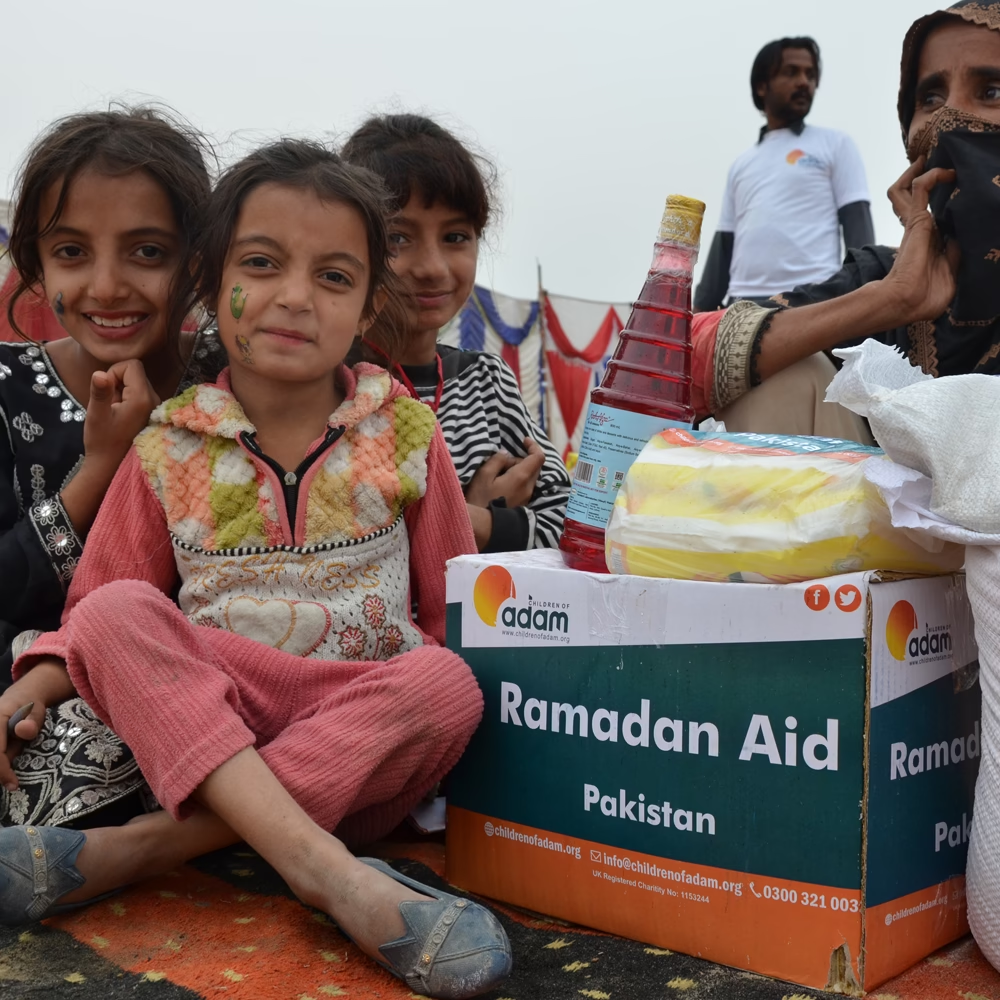
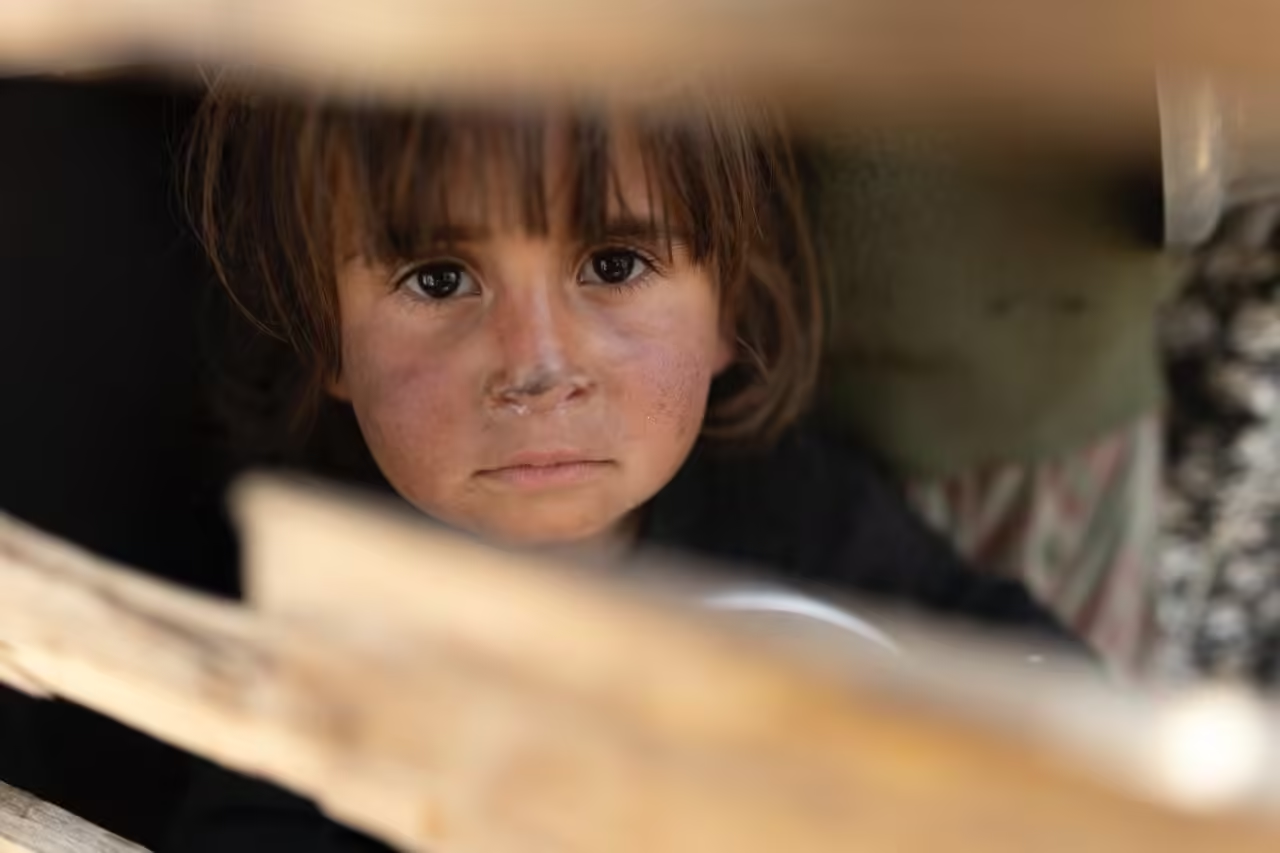
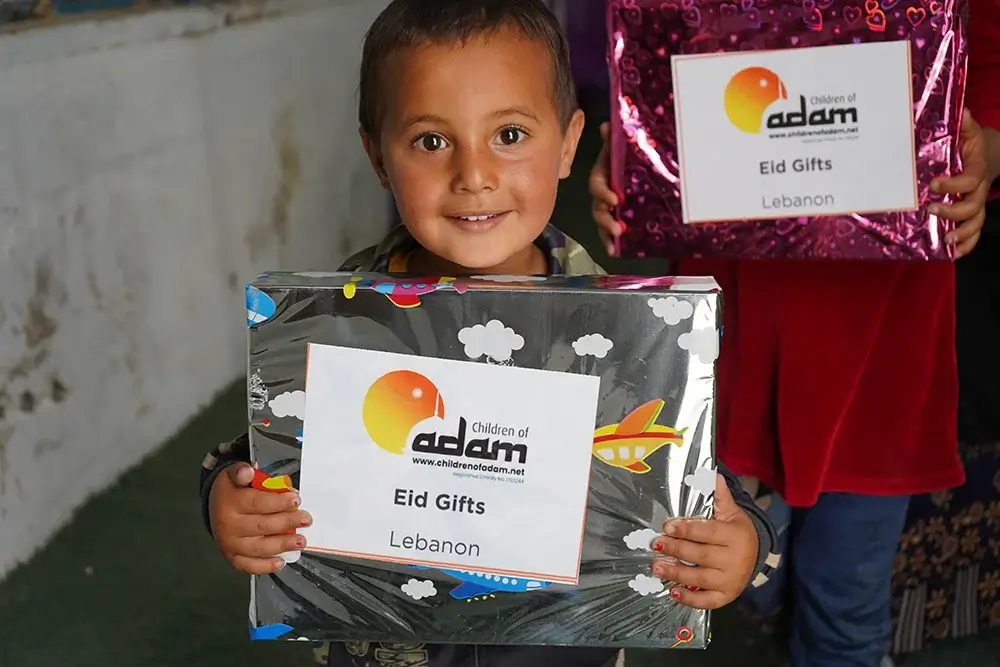
Donate Zakat, Sadaqah, and Ramadan donations to support food parcels, clean water, and emergency relief for families in need. Multiply your rewards in the best month of the year
Donate In Ramadan
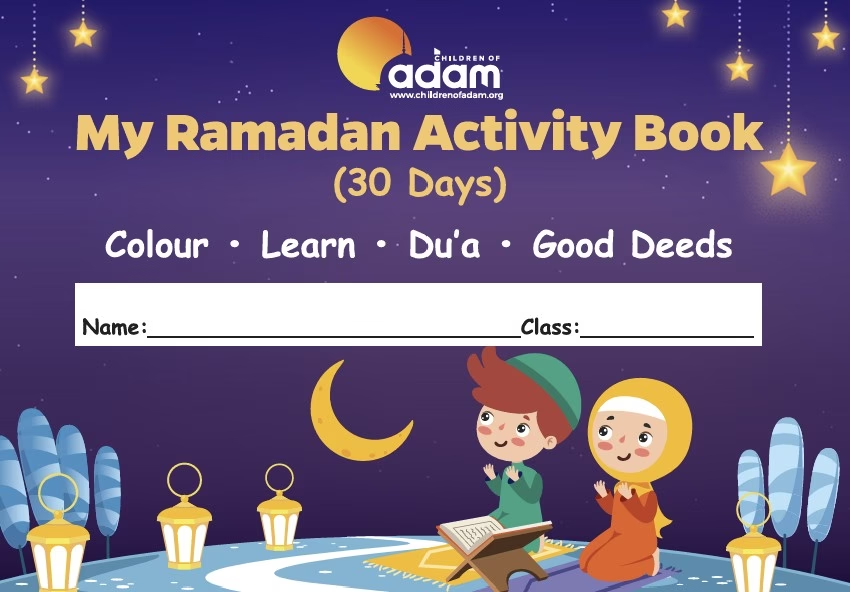
Download our “My Ramadan Activity Book (30 Days)” to help your child build simple Ramadan habits through fun, bite-sized activities. Each day includes a word of the day, a short lesson, a child-friendly du’a, a good deed tick-box, a mood check-in, and a quick activity (colouring, matching, circling, drawing, and more), covering themes like intention, kindness, salah, Qur’an, sadaqah, manners, forgiveness, dhikr, helping others, patience, cleanliness, and gratitude.
Ramadan is a deeply spiritual and sacred month observed by Muslims around the world. It’s a time for reflection, self-discipline, and connection—both with God and with others. During this month, Muslims fast from dawn until sunset, refraining from food, drink, and other physical needs as a way to purify the soul and grow in empathy for those who are less fortunate.
Ramadan is anticipated to start on the evening of Tuesday, February 17, 2026, and end on the evening of Wednesday, March 18, 2026.
Zakat Al Mal also known as Zakat is a core part of Islam—more than just a religious duty, it’s a beautiful expression of compassion and social responsibility. It refers to the annual giving of a portion of your wealth to those in need, something every eligible Muslim is required to do. This form of charity isn’t optional; it’s a pillar of the faith. But it’s also a powerful reminder that wealth is a trust from God, and sharing it helps lift others up. Zakat al-Mal ensures that money keeps flowing through the community, reducing hardship and creating balance, so no one is left behind.
Sadaqah is voluntary charity in Islam, an act of kindness, generosity, and love given purely for the sake of pleasing God. Unlike Zakat, which is obligatory and calculated, Sadaqah is given freely, from the heart, in any amount and at any time.
Zakat al-Fitr, also known as the “charity of breaking the fast,” is a special type of giving that happens at the end of Ramadan. It’s a small but deeply meaningful donation that every Muslim young or old, rich or poor is encouraged to give on behalf of themselves and their dependents.
| Main Islamic Event | Gregorian Date | Converted To Hijri Month |
|---|---|---|
| Al Isra’ wal Mi’raj (The night journey and ascension) | 16th January 2026 | 27th Rajab 1447 |
| 15th Shaban Shab-e-Barat | 3rd February 2026 | 15th Shaban 1447 |
| Ramadan 2026 | 18th February 2026 | 1st Ramadan 1447 |
| Laylatul Qadr The Night Of Power | 16th March 2026 | 27th Ramadan 1447 |
| Eid ul Fitr | 20th March 2026 | 1st Shawwal 1447 |
| Dhul Hijjah Begins | 18th May 2026 | 1st Dhul Hijjah 1447 |
| Hajj Begins | 25th May 2026 | 8th Dhul Hijjah 1447 |
| Eid ul-Adha | 26th May 2026 | 10th Dhul Hijjah 1447 |
| Islamic New Year Muharram | 16th June 2026 | 1st Muharram 1448 |
| Day of Ashura | 25th June 2026 | 10th Muharram 1448 |
| Rabi' al-Awwal | 14th August 2026 | 12th Rabi Al Awwal 1448 |
Rabbana la tuzigh quloobana ba’da idh hadaytana wa hab lana min ladunka rahmah innaka antal-Wahhab
رَبَّنَا لَا تُزِغْ قُلُوبَنَا بَعْدَ إِذْ هَدَيْتَنَا وَهَبْ لَنَا مِن لَّدُنكَ رَحْمَةً ۚ إِنَّكَ أَنتَ الْوَهَّابُ
“Our Lord! Let not our hearts deviate after You have guided us, and grant us mercy from You. Truly, You are the Bestower.”
Al-Imran, 3:8
Allahumma innee asa’luka sihhatan fi eeman, wa eeman fi husni khuluq, wa najahee yatba’ahu falah, wa rahmaatan minka wa ridwaana
اللهُمَّ إِنِّي أَسْأَلُكَ صِحَّةَ إِيمَانٍ وَإِيمَانًا فِي خُلُقٍ حَسَنٍ وَنَجَاحًا يَتْبَعُهُ فَلَاحٌ يَعْنِي وَرَحْمَةً مِنْكَ وَعَافِيَةً وَمَغْفِرَةً مِنْكَ وَرِضْوَانًا
“O Allah, I ask You for the health of my faith, such faith in good character, and salvation leading to success, Your mercy, Your wellness, Your forgiveness, and Your pleasure.”
Musnad Ahmad
Allahumma inni as’aluka ‘Ilman naafi’an, wa rizqan tayyiban, wa ‘amalan mutaqabbalan
اَللَّهُمَّ إِنِّي أَسْأَلُكَ عِلْمًا نَافِعًا ,وَ رِزْقًا طَيَّبًا , وَ عَمَلاً مُتَقَبَّلاً
“Oh, Allah! I ask You for knowledge that is of benefit, a good provision and deeds that will be accepted.”
Sunan Ibn Majah
Allahumma anta rabbi la ilaha illa anta, khalaqtani wa-ana ‘abduk, wa-ana ‘ala ‘ahdika wawa‘dika mas-tata‘t, a‘oothu bika min sharri ma sana‘t, aboo-o laka bini‘matika ‘alay, wa-aboo-o bithanbee, faghfir lee fa-innahu la yaghfiru-thunaba illa ant
اللّٰهُمَّ أَنْتَ رَبِّي، لَا إِلٰهَ إِلَّا أَنْتَ، خَلَقْتَنِيْ وَأَنَا عَبْدُكَ، وَأَنَا عَلَى عَهْدِكَ وَوَعْدِكَ مَا اسْتَطَعْتُ، أَعُوْذُ بِكَ مِنْ شَرِّ مَا صَنَعْتُ، أَبُوءُ لَكَ بِنِعْمَتِكَ عَلَىَّ وَأَبُوءُ لَكَ بِذَنْبِيْ، فَاغْفِرْ لِيْ، فَإِنَّهُ لَا يَغْفِرُ الذُّنُوْبَ إِلَّاأَنْتَ۔
“O Allah! You are my Rubb. There is no true god except You. You have created me, and I am Your slave, and I hold to Your Covenant as far as I can. I seek refuge in You from the evil of what I have done. I acknowledge the favours that You have bestowed upon me, and I confess my sins. Pardon me, for none but You has the power to pardon”.
Allahumma innaka ‘afuwwun tuhibbul-‘afwa, fa’fu ‘anni
اللَّهُمَّ إِنَّكَ عَفُوٌّ تُحِبُّ الْعَفْوَ فَاعْفُ عَنِّي
(O Allah, You are Forgiving and love forgiveness, so forgive me)
Ramadan begins with the sighting of the new moon, marking the end of the Islamic month of Sha’ban. Ramadan is expected to commence on the evening of Tuesday, 17th February 2026
Eid al-Fitr is a beautiful time when hearts unite in gratitude and joy. It marks the end of Ramadan and the start of Shawwal, based on the sighting of the new moon. In 2026, Eid is expected to fall on the evening of 18th March, Insha’Allah.
Fasting is required for adult Muslims who are physically and mentally able. That means if you’ve reached puberty, are of sound mind, and don’t have any valid excuse, fasting becomes an obligation during the month of Ramadan.
But there are exceptions — and they come from mercy. If you’re ill, traveling, pregnant, breastfeeding, menstruating, or going through postnatal bleeding, you’re excused from fasting, and you can make it up later (or pay fidya if you’re unable to fast long-term).
In short, fasting is for those who can, when they can — and Allah (SWT) sees every intention and struggle.
Fasting during Ramadan isn’t just about staying away from food and drink — it’s a deeply spiritual journey. It’s about cleansing the heart, strengthening discipline, and becoming closer to Allah (SWT). Here’s a humanised look at the key rules of fasting:
Your fast begins at Fajr (dawn) and ends at Maghrib (sunset). From dawn to dusk, you don’t eat, drink, or engage in intimate relations. Suhoor (pre-dawn meal) gives you the fuel to start your day, and Iftar (breaking fast) is your reward — often shared with loved ones or the less fortunate.
While fasting, you must also stay away from:
Eating or drinking (even a sip of water)
Swearing, arguing, or gossiping
Smoking
Any intimate relations during the day
These aren’t just rules — they’re reminders to purify not just the body, but the soul too.
If you miss a fast in Ramadan, don’t be disheartened — Islam is a religion of mercy and understanding. Life happens — whether it’s due to illness, travel, menstruation, pregnancy, or another valid reason — and Allah (SWT) knows your intentions.
If your reason is valid, you are allowed to make up the missed fasts later when you’re able. If you’re unable to fast at all due to chronic illness or old age, you can give fidya — feeding a poor person for each missed day.
What matters most is your sincerity and effort. Allah (SWT) is most merciful and loves those who turn back to Him with honesty. So don’t carry guilt — instead, renew your intention and keep moving forward
The last 10 days of Ramadan are some of the most spiritually powerful and emotionally moving days of the entire year. By this point, your body might be tired — but your soul feels closer to Allah (SWT) than ever before. These final nights are a gift, a sacred window of opportunity to seek forgiveness, mercy, and closeness to your Creator.
One of the most beautiful parts of the last 10 nights is Laylatul Qadr — the Night of Power. It’s hidden in one of the odd-numbered nights, and it’s better than a thousand months. Imagine — one sincere prayer, one tear of repentance, one act of kindness — being multiplied as if you’d done it for over 83 years. SubhanAllah.
This is why people stay up late in prayer, reading Qur’an, making heartfelt duas, and seeking Allah’s mercy. It’s not about perfection — it’s about presence.
As Ramadan 2026 approaches, the significance of the pre-dawn meal, Suhoor, becomes even more pronounced, offering vital nourishment for the day ahead.
Key elements of Suhoor should focus on hydration and nutrient-rich foods.
Foods high in complex carbohydrates, like whole grains and oats, provide a source of sustained energy. Including lean proteins, such as eggs or yoghurt, can further help with satiety, ensuring a comfortable fasting experience.
The right balance of hydration and nutrition at Suhoor is crucial. Consuming sufficient water, while avoiding overly salty foods, helps maintain electrolyte balance and prevents dehydration. Fresh fruits, such as berries and bananas, can add a refreshing touch to the meal, enhancing its overall nutritional value. This balanced approach empowers individuals to embark on their fasting journey with strength and resilience.
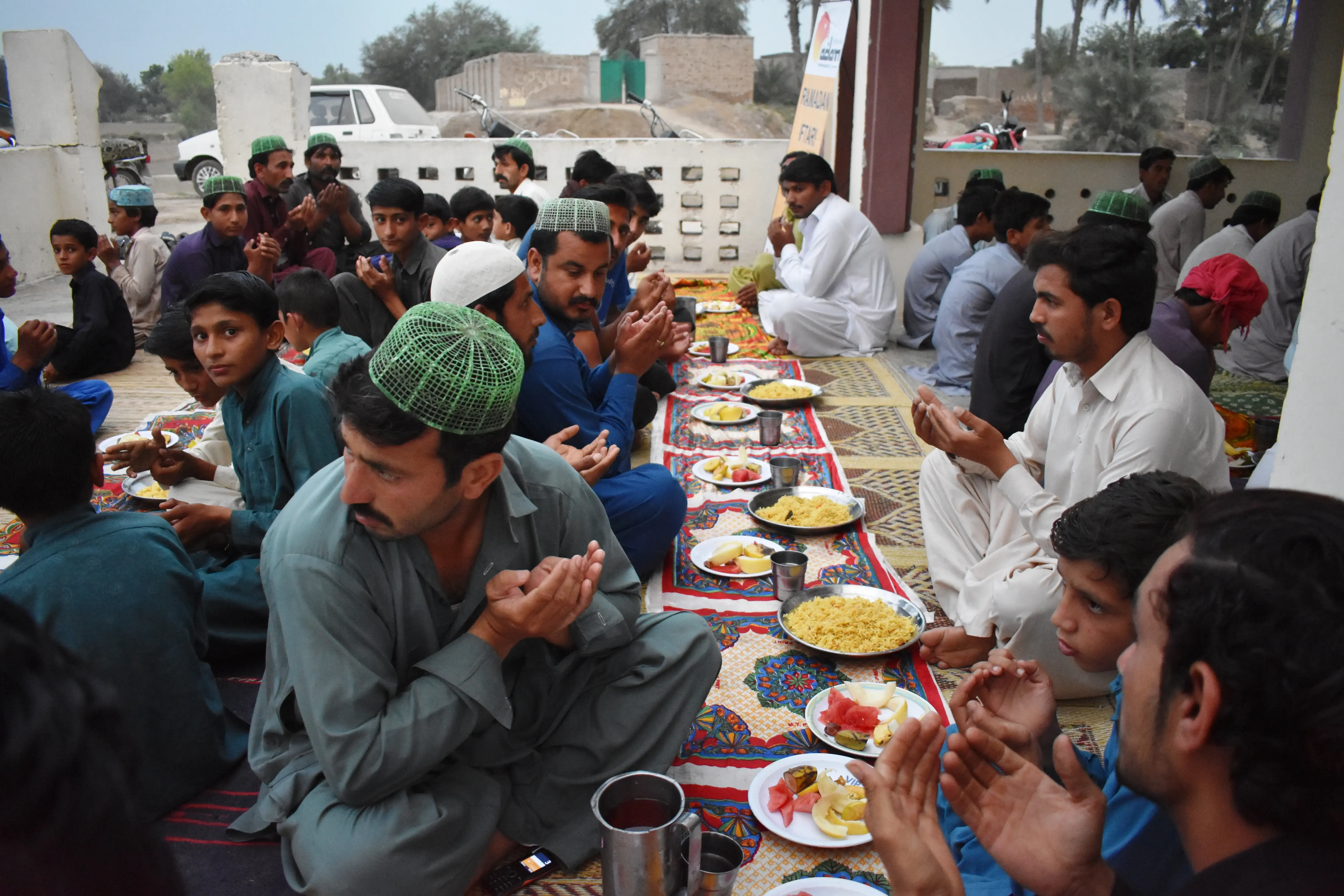
Breaking the fast, known as Iftar, has long been a cherished tradition during Ramadan, embodying the rich tapestry of Ramadan traditions.
Family and community come together to share this special moment during Ramadan.
Iftar commonly begins with the consumption of dates, closely following the Sunnah of the Prophet Muhammad (peace be upon him), and is accompanied by a refreshing glass of water.
This time of day is not merely about eating but also about fostering a sense of unity and gratitude. As delicious dishes and treats fill the table, it is important to emphasise moderation and mindfulness in consumption, ensuring that the spiritual essence of Ramadan remains at the forefront.
Special prayers, known as Taraweeh, hold paramount importance for Muslims during Ramadan.
Each evening, believers congregate in a spiritual ambiance to perform these prayers, which are a Ramadan hallmark, intending to seek closeness to Allah through prolonged spiritual devotion. Such gatherings are a testament to the collective faith, fostering a supportive community environment.
Remarkably, Taraweeh underscores introspection and spiritual rejuvenation for those who partake. By engaging in these nightly prayers, and adhering to fasting rules including sehri, individuals find an opportunity to reset their spiritual compass and heighten their connection with the divine, amplifying their overall Ramadan experience.
Furthermore, devout participation in Taraweeh reflects an unwavering dedication to spiritual enrichment, striving to inculcate lessons of piety and patience within the faithful, much like the sighting of the crescent moon signifies the commencement of Ramadan. This commitment to nightly prayers galvanises a profound sense of purpose and reinforces the virtues that Ramadan seeks to instill, manifesting in enhanced spirituality and communal harmony.
At the heart of Ramadan lies the enduring spirit of giving, embodied by Zakat and Sadaqah.
Zakat, an obligatory charitable act, involves a fixed percentage of one’s savings annually dedicated to those in need. Through Zakat, the fortunate offer financial support that goes beyond temporary assistance, laying a more permanent groundwork for social welfare. This transcendent act of generosity fosters solidarity, reflecting profound moral and ethical responsibilities.
Conversely, Sadaqah stands as a voluntary contribution of variable amounts. Generous individuals, moved by empathy and compassion, offer Sadaqah at will to relieve the marginalized and assist numerous philanthropic activities. This unprescribed donation underlines the altruistic heart of the community.
During Ramadan, charitable endeavours, both mandatory and voluntary, enable meaningful connections. An exemplar of selfless humanity, these charitable actions witness communities coming together to uplift not just from material abundance but from a shared spirit of excellence and collective advancement.
Eid al-Fitr marks the end of Ramadan.
Signifying the conclusion of a fulfilling fasting month, this festival is a joyous occasion. After weeks of self-restraint and spiritual reflection, followers come together to celebrate their achievements. Typically, they express their grace and unity by sharing meals, extending goodwill, and remembering the less fortunate.
Gifts are exchanged and new clothes worn.
The day’s prayers offer a moment to reflect on the past month. It also provides an opportunity to seek blessings for the future – instilling hope and renewed vigour for the challenges ahead.
This joyous celebration of achieving spiritual goals reflects a commitment to maintaining those values throughout the year. As everyone gathers, the warmth and joy of Eid al-Fitr exemplify their collective strength and unity. This spirit of togetherness fosters a sense of community that transcends beyond religious boundaries, illustrating the profound impact of Ramadan.