Introduction
Ramadan is the holiest month in Islam, a time of fasting, reflection, and spiritual growth. Among its sacred nights, Laylat al-Qadr—the Night of Decree—holds unparalleled significance. It was on this night that the Quran, Islam’s guiding revelation, was first revealed to Prophet Muhammad (PBUH) through the Angel Jibreel (Gabriel). Understanding this night helps Muslims around the world connect deeply with their faith and appreciate the mercy and guidance of Allah.
The Significance of Laylat al-Qadr
Laylat al-Qadr is mentioned in the Quran:
“Indeed, We sent it [the Quran] down during the Night of Decree. And what can make you know what is the Night of Decree? The Night of Decree is better than a thousand months.”
— Quran, Surah Al-Qadr (97:1–3)
This verse highlights its unmatched value: worship and good deeds performed on this night carry the reward of over a thousand months, making it a period of immense spiritual opportunity.
When Does Laylat al-Qadr Occur?
The exact date is not specified, but it is widely believed to fall on one of the last ten nights of Ramadan, particularly the odd nights (21st, 23rd, 25th, 27th, or 29th). This uncertainty encourages Muslims to increase devotion throughout these nights.
The Spiritual Practices of Laylat al-Qadr
Muslims engage in several acts of worship on this night:
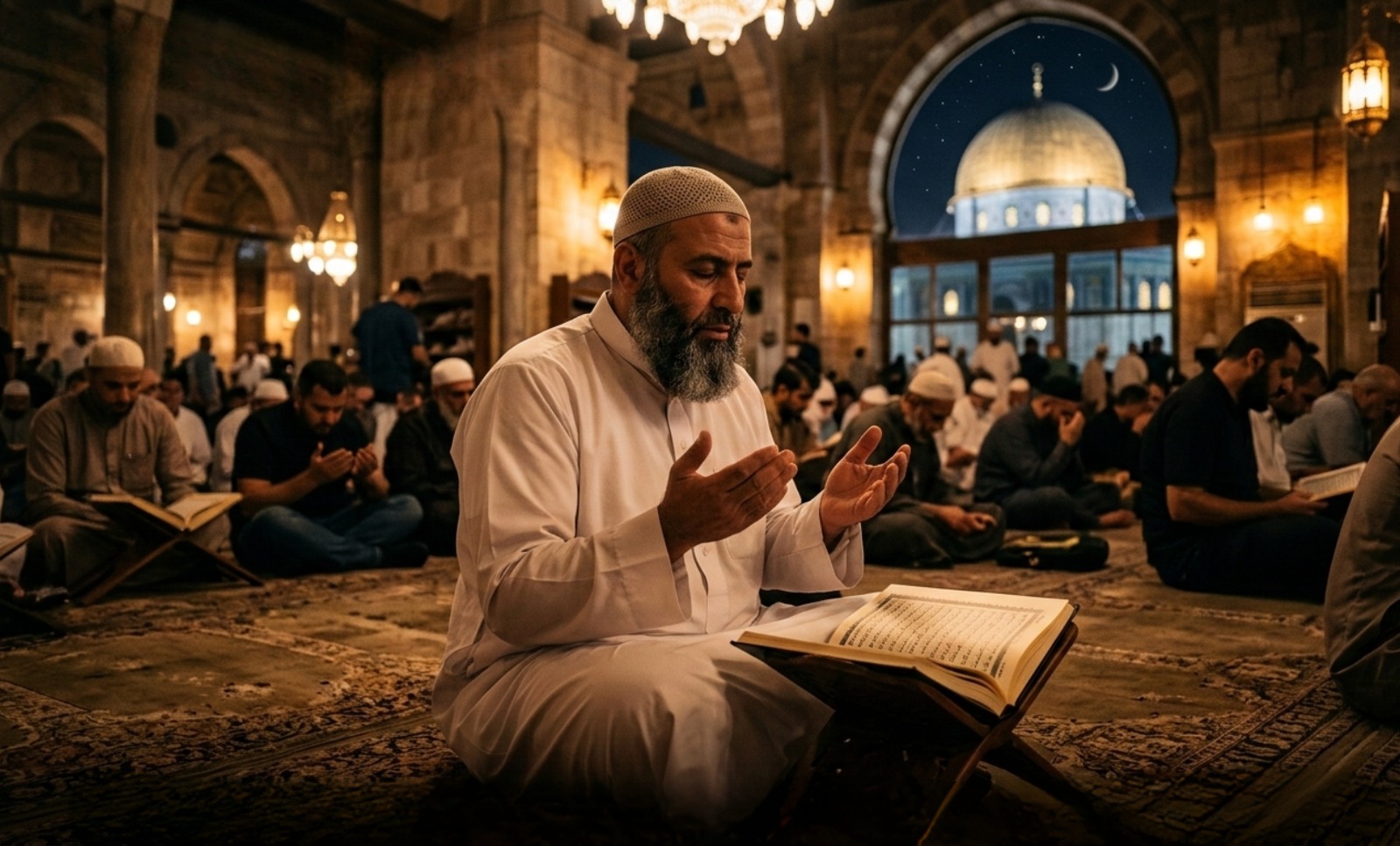
- Tahajjud (Night Prayer): Staying awake to pray at night strengthens one’s connection with Allah.
- Recitation of the Quran: Reflecting on the words revealed on this night deepens understanding and spiritual awareness.
- Dua and Supplication: Muslims seek forgiveness, guidance, and blessings, as the Prophet (PBUH) emphasized its power for answered prayers.
- Dhikr (Remembrance of Allah): Repeating phrases like SubhanAllah, Alhamdulillah, Allahu Akbar purifies the heart.
The Historical Context
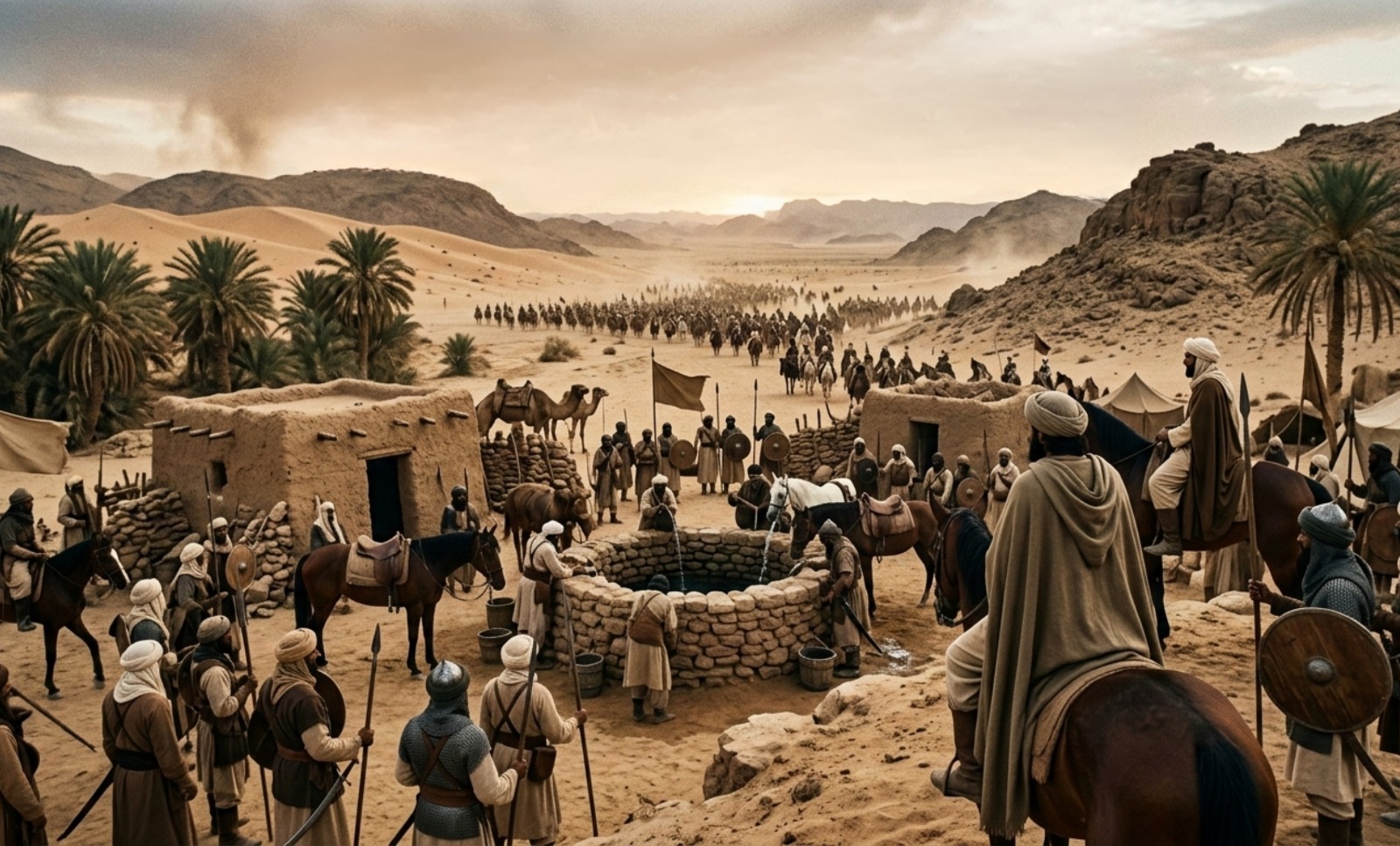
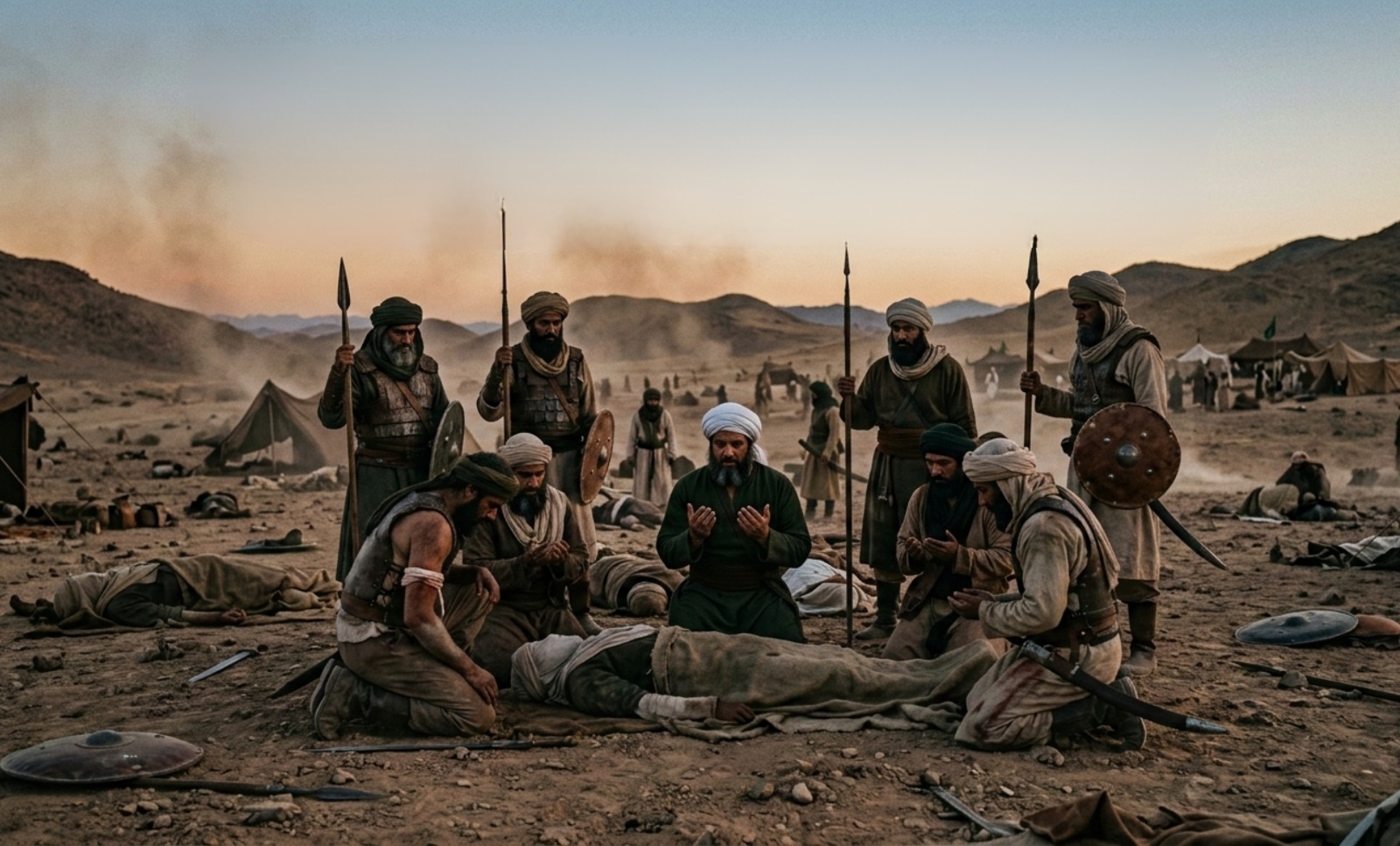
Before this night, Arabia had not received divine guidance in written form for centuries. The revelation marked the beginning of Islam’s mission, guiding humanity with laws, moral principles, and spiritual wisdom. The first verses revealed:
“Read in the name of your Lord who created.”
— Quran, Surah Al-‘Alaq (96:1)
These words emphasize knowledge, reflection, and devotion, setting the tone for a life dedicated to worship, justice, and mercy.
Lessons from Laylat al-Qadr
- Seek Forgiveness: This night is an opportunity to cleanse sins.
- Increase Worship: Even small acts carry immense reward.
- Reflect on the Quran: It is a guide for life, not just a book to read.
- Trust in Divine Decree: Allah’s mercy is abundant, and this night reminds believers of His wisdom.
Frequently Asked Questions (FAQs)
What is Laylat al-Qadr?
Laylat al-Qadr, the Night of Decree, is when the Quran was first revealed to Prophet Muhammad (PBUH).
Why is it called the Night of Decree?
Because Allah decrees the destiny of all beings for the coming year on this night.
Which night is Laylat al-Qadr in Ramadan?
It falls in the last 10 nights, most likely on the odd nights.
What acts of worship are recommended?
Night prayers, Quran recitation, dua, and dhikr are highly encouraged.
Why is it better than a thousand months?
Because the rewards for worship and good deeds are multiplied immensely.