Access to clean water can make everyday life easier for families, schools and local businesses. Yet installing a well or water pump is only one part of providing a reliable water supply. The equipment must keep working, the water source must be protected, and people need a clear plan for handling problems.
This is why community involvement matters. When local people help plan, manage and care for a water system, they can play an important role in keeping it useful over time. Long-term success depends on more than the equipment itself. It also relies on practical planning, shared responsibility and regular care.
Why Water Projects Need Long-Term Planning
A new water point may solve an immediate problem, but its value can fall if it stops working and nobody knows how to repair it. Parts can wear out, pipes can become damaged, and changing weather conditions may affect the water supply.
Planning for these challenges should begin before installation. Project organisers need to consider the type of water source, the needs of the people who will use it, the availability of spare parts and the skills required for maintenance.
A well-planned water project also needs a realistic budget for future repairs. Even a simple hand pump may need replacement seals, rods, or other components over time. Preparing for these costs can help avoid long periods without access to water.
The aim is not simply to build a facility. It is to create a service that people can continue to use safely and reliably.
How Communities Help Keep Water Systems Working
Local residents understand many of the practical challenges in their area. Their involvement can help project teams make better decisions and respond to problems more quickly.
1. Choosing a Suitable Location
The location of a water point affects who can use it and how easy it is to maintain. If it is too far from homes, older people and those with limited mobility may struggle to reach it. If it is placed in an unsuitable area, drainage problems or contamination risks may arise.
Community consultation can help identify where water is needed most. Project teams should also assess the water source, ground conditions, seasonal changes and possible pollution risks before installation.
The final location should balance access, safety, technical needs and the long-term needs of the community.
2. Agreeing on Shared Responsibilities
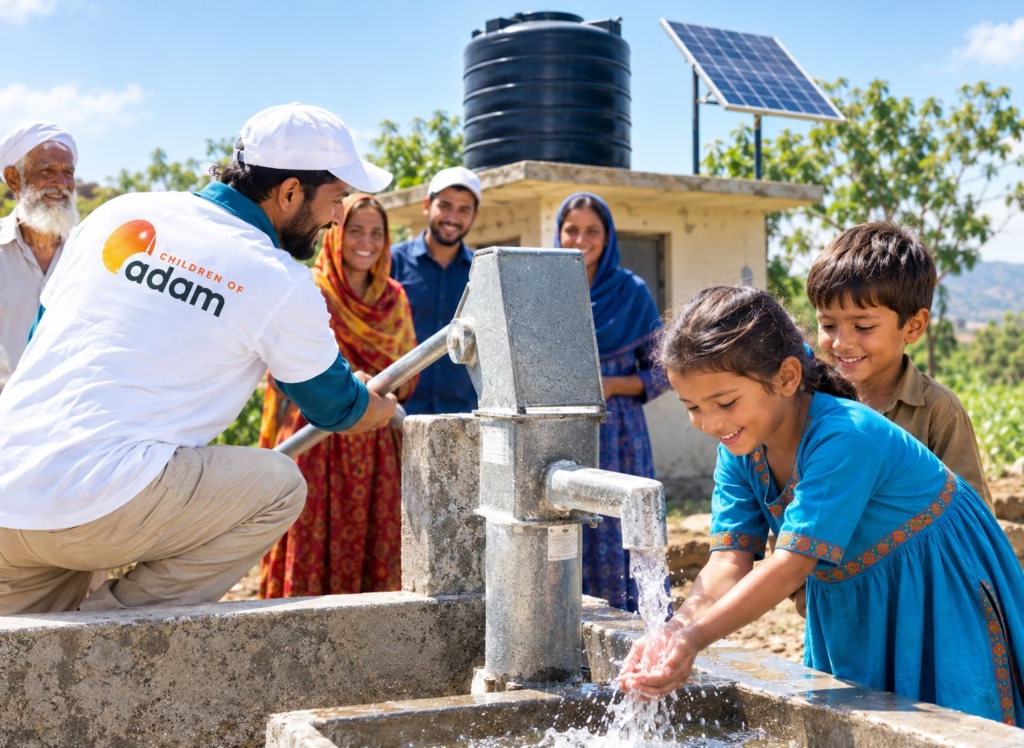
A community water system works better when everyone understands who is responsible for looking after it. This might involve a small local committee, trained caretakers or an agreed process for reporting faults.
Responsibilities could include keeping the surrounding area clean, checking for visible damage, reporting unusual changes in water quality and contacting a technician when repairs are needed.
These arrangements should be clear and fair. They should also include the voices of people who may otherwise be overlooked, including women, older residents and people with disabilities.
Shared responsibility does not mean expecting local residents to solve every problem themselves. Technical support and suitable funding may still be needed.
3. Training Local Caretakers
When trained people are available nearby, minor problems may be identified before they become serious. Caretakers can learn how to spot loose parts, damaged drainage, leaks and other signs that a pump needs attention.
Training should match the equipment being used. Some repairs may be straightforward, while others require a qualified technician. Caretakers need to know when to stop using a damaged system and ask for professional help.
Simple records of inspections and repairs can also help identify recurring faults. This makes it easier to plan maintenance and understand which parts may need replacing.
Keeping Water Clean and Safe
A functioning pump does not automatically guarantee safe drinking water. Water can become contaminated at its source, during collection or through poor storage at home.
For this reason, protecting the water source is just as important as maintaining the equipment.
Protecting the Area Around the Water Point
Drainage should carry used water away from the pump rather than allowing it to collect nearby. Standing water can create unhygienic conditions and may increase the risk of contamination in some settings.
The surrounding area should be kept free from rubbish, animal waste and other possible sources of pollution. The exact protective measures will depend on the type of water source and the local environment.
Where testing is needed, it should be carried out using suitable methods and by people with the right training. If contamination is suspected, users should receive clear advice on whether the water is safe to drink and what alternative supplies are available.
Encouraging Safe Water Storage
The journey does not end when water is collected. Clean containers with covers can help protect water during transport and storage. Families should avoid dipping dirty hands or used cups into drinking water containers.
Community education can help people understand these simple steps without placing blame on households that lack suitable equipment. Access to safe water depends on both reliable infrastructure and practical support.
Preparing for Repairs and Unexpected Problems
Every water system needs a plan for when something goes wrong. A broken pump, damaged pipe or seasonal drop in water availability can disrupt daily routines, particularly in places where there are few alternatives.
A practical response plan should identify who can be contacted, where spare parts may be obtained and how people will access water during repairs. In some locations, a nearby alternative source may be available. In others, temporary water delivery may be necessary.
Keeping basic maintenance records helps project organisers understand how often problems occur and whether the system needs a larger repair. These records can also support future decisions about upgrades or replacement.
The best approach is to prepare before an emergency happens, rather than waiting until people are left without a dependable source.
How Donors Can Think Beyond Installation
People considering a water project donation can look beyond the initial construction cost and ask how the water source will be supported afterwards.
Useful questions include:
- Has the local community been consulted about its water needs?
- Is the location suitable and accessible?
- Who will inspect and maintain the equipment?
- Is there a plan for repairs and replacement parts?
- How will water quality and safety be checked?
- What happens if the source becomes unreliable?
- How will the project’s condition and results be reviewed?
These questions help donors understand whether a project has considered the practical needs that arise after installation.
A responsible water charity should be able to explain the project’s purpose, the type of support being provided and the arrangements for monitoring its progress. The details may vary between locations, so clear information is more useful than broad promises about permanent results.
Long-term impact also depends on local conditions. No water system can be guaranteed to operate forever without maintenance, funding and suitable environmental conditions.
Why Community Participation Matters
When residents take part in planning and looking after a water system, they can help make sure it meets real needs. They may be able to report problems early, organise routine care and explain changes in demand as the community grows.
However, participation should be supported rather than assumed. Communities may need training, spare parts, technical advice and a reliable way to fund repairs. A project that relies entirely on unpaid local effort may struggle if responsibilities become too demanding.
Good planning combines community knowledge with appropriate technical support. It also recognises that people should have a say in decisions about an essential service they depend on every day.
Support Better Access to Water
Reliable water access takes planning, cooperation and continued care. If you want to learn more about practical water support, Children of Adam provides information about its humanitarian work and water initiatives. Explore its water hand pump appeal to learn more about the project and the support it offers.
Frequently Asked Questions
Why is maintenance important for community water projects?
Maintenance helps identify worn parts, leaks and other problems before they cause longer interruptions. It can also help protect water quality and make the system more dependable.
Who should be responsible for maintaining a water pump?
Responsibilities depend on the project. A trained local caretaker or community committee may handle basic checks, while qualified technicians carry out repairs that need specialist skills.
How can communities help protect drinking water?
Communities can keep the area around the water point clean, maintain proper drainage, report possible contamination and follow safe water collection and storage practices.
What should donors ask before supporting a water project?
Donors can ask about the location, local consultation, maintenance arrangements, water quality checks, repair plans and how the project’s progress will be monitored.
Does installing a water pump guarantee a lasting water supply?
No. Long-term access depends on factors such as water availability, equipment condition, maintenance, funding and environmental changes. Planning for these issues can reduce the risk of disruption.