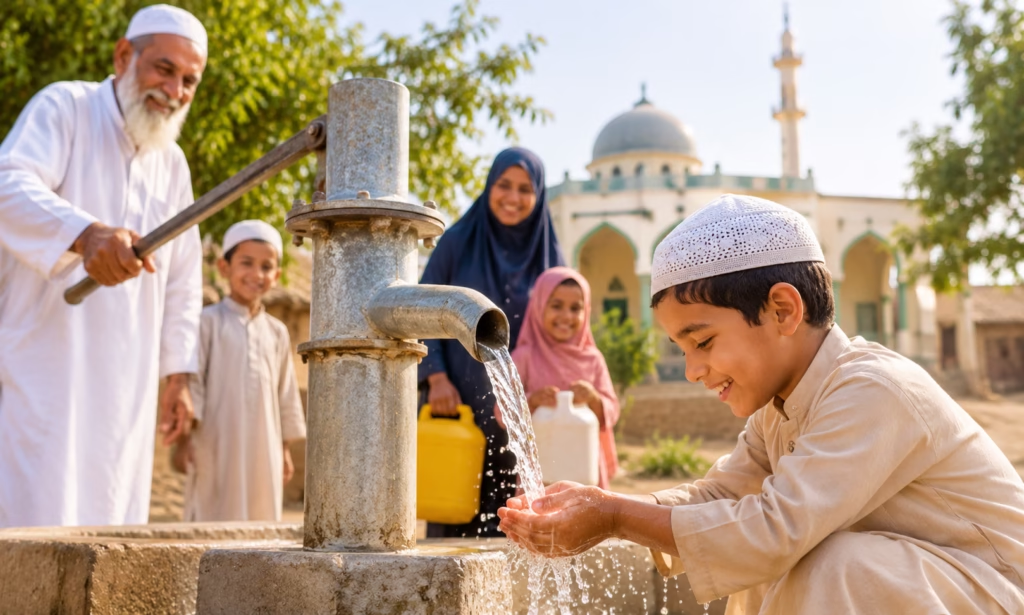

As Ramadan draws to a close, many Muslim families begin preparing for Eid al-Fitr. Alongside arranging meals, clothes and family visits, there is an important charitable duty to remember: Fitrana.
Also known as Zakat al-Fitr, this contribution is intended to help people in need share in the joy of Eid. Planning ahead gives families time to work out how much they need to give, check the correct amount and make sure their donation is arranged before the Eid prayer.
This Fitrana 2027 checklist is designed to make the process easier. It covers household members, calculations, deadlines and online donations, while highlighting where families may need advice from a trusted scholar.
What is Fitrana in Islam?
Fitrana, also called Zakat al-Fitr or Zakat ul Fitr, is a charitable obligation connected with the end of Ramadan. Its purpose includes helping people in need access food and take part in Eid celebrations.
It is different from Zakat on wealth, which is generally calculated according to a person’s eligible wealth and applicable rules. Fitrana is usually worked out as a set amount for each person covered by the contribution, based on the relevant food measure or its accepted monetary value.
Although the names are often used interchangeably, the rules and calculations are not the same as ordinary annual Zakat. If you are unsure about your personal circumstances, ask a qualified scholar or a reliable local religious authority.
The family checklist: five steps before Eid
Step 1: Find out who needs to be covered
Start by checking who is included in your household’s Fitrana calculation. Depending on the Islamic school of thought and family circumstances, the person responsible may need to pay on behalf of eligible dependants.
Make a list of the people you are planning to cover, such as:
- Yourself.
- Your spouse, where you are responsible for their payment under the guidance you follow.
- Children and other eligible dependants.
- Any other family members for whom you are responsible, if the relevant rules apply.
Do not assume that every relative must automatically be included in your payment. Responsibility can depend on the circumstances and the scholarly guidance you follow.
For Fitrana 2027, keeping a simple household list is a practical first step. It helps you avoid overlooking anyone and gives you a clear number to use when calculating the total.
Step 2: Check the confirmed amount for 2027
One of the most common questions is: how much is Fitrana?
The amount can vary from year to year because the monetary value is linked to a prescribed quantity of staple food. Charities and religious authorities may announce a recommended rate for a particular country and year.
Do not assume that a previous year’s figure automatically applies in 2027. Before making your Fitrana donation, check the rate published for that year by a trusted charity or religious authority. If different rates are announced, ask which one follows the guidance you normally use.
A simple way to plan is to write down the confirmed amount per person and keep it with your household list.
Step 3: Calculate the household total
Once you know how many people you are covering and the applicable rate, the calculation is straightforward.
Total Fitrana = number of people covered × amount per person
For example, if a household is covering four people and the confirmed rate is represented by R, the total would be four times R.
This is a calculation example, not a statement of the official 2027 rate. Replace R with the amount confirmed for your circumstances.
A basic Fitrana calculator can help with the multiplication, but it cannot decide who is religiously responsible for paying or which rate you should follow. Those questions may need separate guidance.
Before submitting your donation, check three things: the number of people, the rate per person and the final total.
Step 4: Arrange payment in good time
Families often leave charitable payments until the final days of Ramadan. However, waiting can make it harder to complete everything before Eid.
When should Fitrana be paid? Many scholars emphasise that it should reach eligible recipients before the Eid prayer so that they can benefit from it in time. There are differences in scholarly guidance about how early it may be paid, so check the approach you follow.
To avoid a last-minute rush:
- Check the deadline stated by your chosen charity.
- Allow time for online payments to be processed.
- Confirm that the organisation can distribute the assistance in time.
- Keep a record of the donation for your own reference.
If you have not arranged your payment yet, do not ignore the obligation. Seek reliable guidance on what to do in your circumstances.
Step 5: Choose how you will give
Fitrana may be provided through staple food or its accepted monetary value, according to the religious guidance being followed. Many people in the UK use a charity that collects donations and organises food assistance for eligible recipients.
Before paying Fitrana online in the UK, check that the charity explains the purpose of the appeal, the applicable rate and how the funds will be used. If you are giving through an organisation, make sure you understand its process and deadline.
Online giving can be convenient because you can calculate your total and make a payment without travelling. However, making a payment online does not by itself guarantee that the donation will reach recipients before Eid. Check the charity’s arrangements and give early where possible.
Who receives Fitrana?
Fitrana is intended to support people in need, particularly those who may struggle to afford food and basic necessities. Its purpose is to help eligible recipients share in Eid rather than be left out because of financial hardship.
When choosing a Fitrana charity, look for clear information about who receives the assistance and how the organisation distributes it. If you are unsure whether a particular programme meets the requirements of Zakat al-Fitr, ask the charity for clarification or seek advice from a qualified scholar.
Is Fitrana the same as Zakat?
Fitrana and Zakat are both important forms of giving in Islam, but they serve different purposes and are calculated differently.
| Fitrana (Zakat al-Fitr) | Zakat on wealth |
| Connected with the end of Ramadan and Eid al-Fitr. | Usually due when the relevant conditions for eligible wealth are met. |
| Generally calculated per person covered. | Calculated from eligible wealth according to the applicable rules. |
| Intended to help eligible people in need around Eid. | Distributed to eligible categories of recipients under Islamic rules. |
| Has specific timing considerations around Eid prayer. | Has its own rules for when payment becomes due. |
If you owe both, treat them as separate calculations. Paying one does not automatically fulfil the other.
Common mistakes to avoid
A little preparation can prevent avoidable errors.
- Using an old rate: Check the confirmed amount for 2027 instead of assuming a previous year’s figure still applies.
- Forgetting a household member: Review your list before calculating the total.
- Confusing Fitrana with Zakat on wealth: They are separate obligations with different calculation methods.
- Leaving payment until the last minute: Allow time for processing and distribution.
- Assuming every charity follows the same deadline: Read the instructions for the organisation you choose.
- Guessing about complex family circumstances: Seek reliable religious guidance if you are uncertain about responsibility or eligibility.
Arrange your Fitrana before Eid
Preparing early can make it easier to check your household total, confirm the applicable rate and arrange your donation in time. Keep a record of your calculation and seek trusted religious advice if your circumstances are unclear.
To learn more or arrange your contribution, visit Children of Adam’s Fitrana appeal. Check the rate and payment instructions published for 2027 before donating, and make sure your contribution is arranged in good time for Eid.
Frequently asked questions
What is Fitrana 2027?
It is the Fitrana obligation for Ramadan 2027, also known as Zakat al-Fitr. It is intended to help eligible people in need around Eid al-Fitr.
How much is Fitrana in 2027?
The confirmed amount should be checked with a trusted UK charity or religious authority when the 2027 rate is announced. Do not rely on a previous year’s amount without checking.
Who should pay Fitrana for a family?
Responsibility may include paying for eligible dependants, but the details depend on personal circumstances and the scholarly guidance followed. Ask a qualified scholar if you are unsure.
Do I pay Fitrana for children?
Children may be included in a parent or guardian’s payment under the rules followed. Check the guidance relevant to your household.
When should Fitrana be paid?
It is generally important to arrange payment so eligible recipients can benefit before the Eid prayer. Check the scholarly guidance you follow and your chosen charity’s deadline.
Can I pay Fitrana online in the UK?
Yes, many charities offer online payment options. Check the published rate, donation instructions and distribution deadline before making a payment.
What is the difference between Fitrana and Zakat?
Fitrana is connected with the end of Ramadan and is generally calculated per person. Zakat on wealth is calculated from eligible wealth under its own rules. One payment does not automatically replace the other.