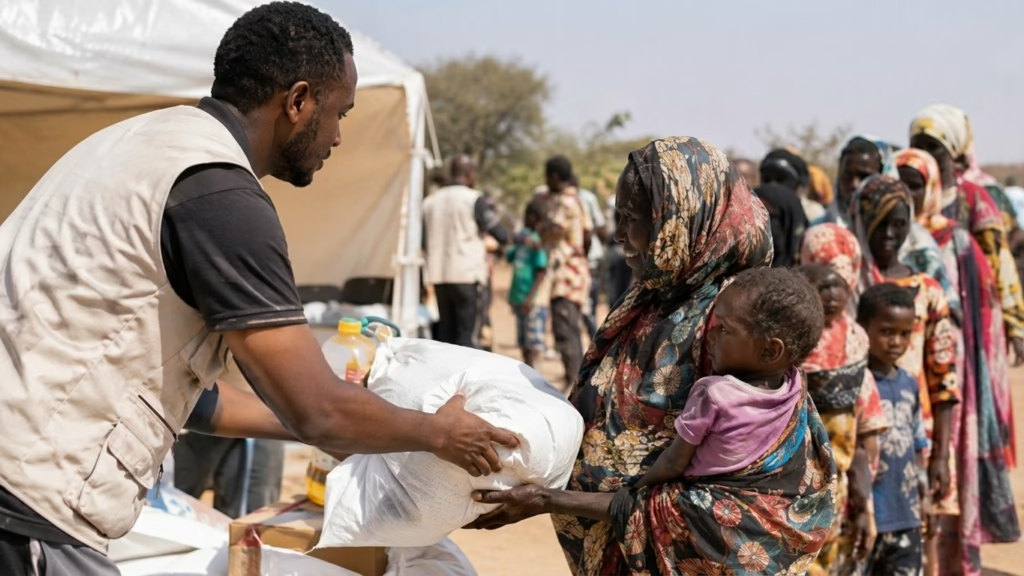
When a humanitarian crisis affects millions of people, delivering aid is about much more than collecting donations. Food, water, medical supplies and other essentials must reach people safely, fairly and at the right time. This is especially important in Sudan, where conflict and displacement have made access to basic services extremely difficult.
So, how does Children of Adam deliver aid in Sudan? The process involves understanding local needs, working through trusted networks, organising suitable supplies and supporting vulnerable families through humanitarian programmes. The aim is to provide practical help while treating every person with dignity.
Understanding the Need Before Delivering Aid
Effective humanitarian aid starts with understanding what people actually need.
Families affected by conflict may have very different needs from one community to another. Some may urgently need food, while others may need clean drinking water, medical support or help after being displaced from their homes.
Children of Adam describes its wider humanitarian work as a combination of emergency relief and longer-term support. Its mission is focused on easing suffering, fighting poverty and protecting dignity while helping communities build safer and healthier futures.
This means aid programmes can be shaped around the situation on the ground rather than relying on a single solution for everyone.
Working Through Local Partners
One of the most important parts of humanitarian delivery is having people who understand the local area.
In difficult environments, international organisations cannot always reach every family directly. Local partners can provide important knowledge about communities, roads, local markets and changing needs. Children of Adam states that it works with vetted local partners to help navigate the challenges and security risks involved in disaster zones.
These local networks can also help identify households that need support. This is particularly important when resources are limited and aid needs to be directed towards people facing the greatest hardship.
Why Local Knowledge Matters
Local teams and partners understand their communities in ways that an outside organisation may not. They can help identify vulnerable households and understand which types of assistance are most useful.
Local sourcing can also make distribution more practical. Children of Adam says that, where possible, it sources food locally to reduce costs and support local markets.
This approach can help humanitarian programmes respond to changing circumstances while making sensible use of available resources.
Identifying Vulnerable Families
Humanitarian aid needs a clear process for deciding who should receive support.
Children of Adam’s published information says that local partners verify households and prioritise the most vulnerable. Its Sudan-related information specifically highlights groups such as children, pregnant women, elderly people and internally displaced families.
This type of targeting helps make sure assistance reaches people who may have few other ways to meet their basic needs.
For displaced families, even everyday essentials can become difficult to access. Losing a home, income or regular access to markets can quickly make food, water and healthcare unaffordable.
Providing Essential Food Support
Food assistance is a key part of emergency humanitarian response.
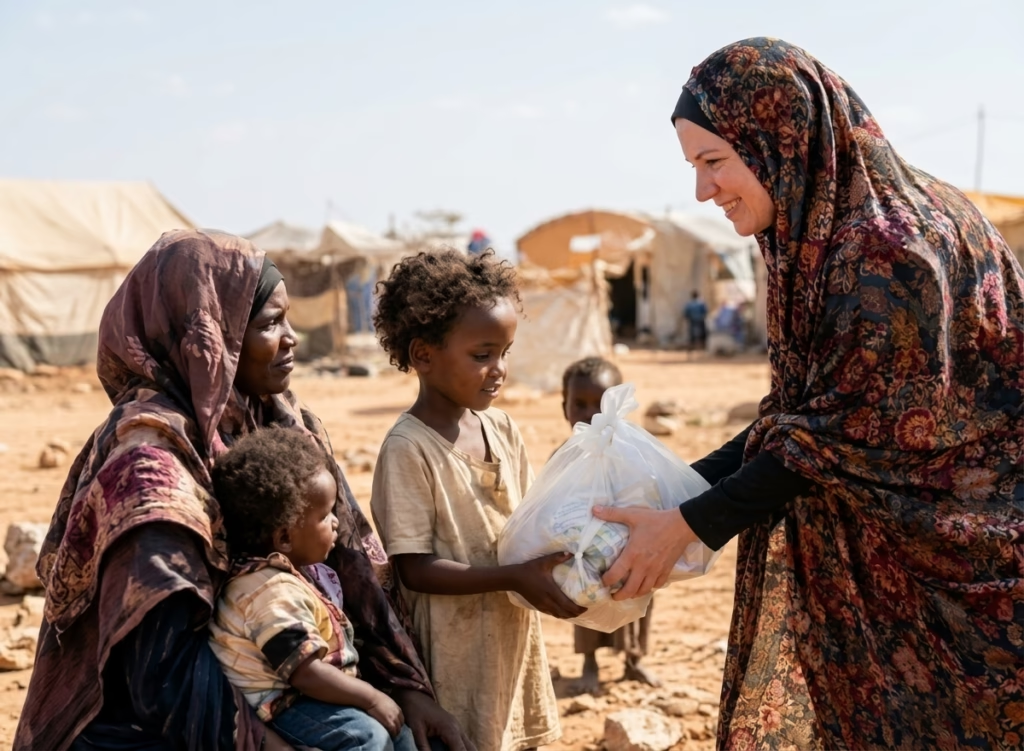
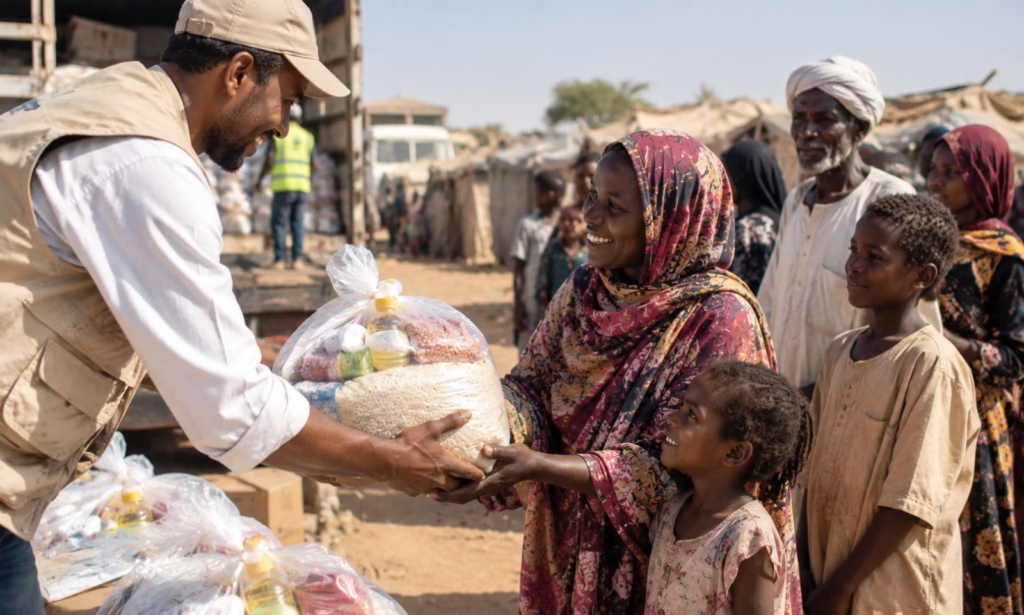
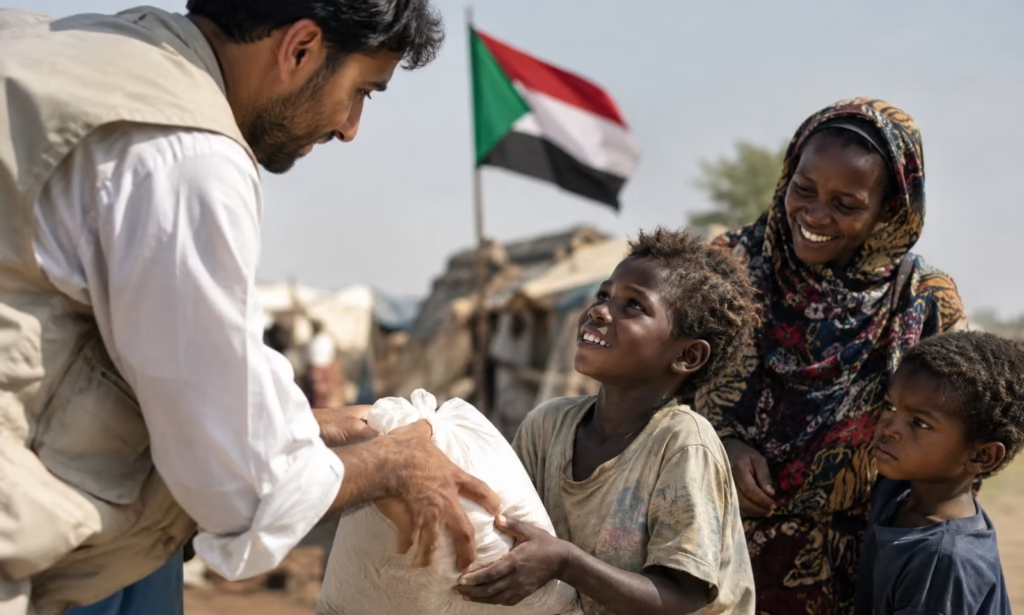
Families facing conflict or displacement may struggle to buy enough food for themselves and their children. Food parcels can provide staple items that families can use at home, helping them meet immediate nutritional needs.
Children of Adam’s humanitarian programmes include family food parcels as a form of emergency assistance. Its published Sudan information also describes food parcels for displaced families as one of the areas where emergency funds can be used.
The contents of a food parcel can vary depending on location, availability and the needs of the people receiving it. This flexibility is useful in a crisis because food requirements and local prices can change.
Helping Provide Clean Water
Access to clean water becomes even more important during a humanitarian emergency.
When normal water systems are damaged or unavailable, families may have to depend on unsafe sources. This can increase the risk of illness and make daily life harder, particularly for children and older people.
Children of Adam’s wider work includes clean water projects such as water hand pumps, deep water wells, boreholes and emergency water provision when needed.
Its Sudan-focused information has also described clean drinking water support through methods such as water trucking and filtration systems.
The exact method used depends on local conditions and what can be delivered safely and effectively.
Supporting Medical Needs
Healthcare can become difficult to access during conflict.
Hospitals and health services may face shortages of supplies, staff and equipment, while families who have been displaced may struggle to reach medical facilities. This creates an urgent need for humanitarian health support.
Children of Adam identifies medical supplies and support for local health providers as another possible use of emergency funds for Sudan.
Medical assistance can therefore form part of a wider response alongside food and water support.
Responding to Changing Conditions
A humanitarian crisis does not stay the same.
A community that needs food support today may require clean water or healthcare assistance tomorrow. Roads may become inaccessible, supplies may become harder to source, or security conditions may change.
This is why flexible humanitarian programmes are important. Children of Adam says its approach includes both immediate emergency relief and longer-term development programmes. Its wider work covers areas such as food, water, healthcare, education, shelter, orphan support and livelihoods.
The goal is not simply to respond once. Where circumstances allow, longer-term programmes can help communities become more stable and self-reliant.
Keeping Donations Connected to Real Needs
For donors, knowing how aid is delivered can make the process easier to understand.
Children of Adam says it follows a 100% donation policy for contributions including Zakat, Sadaqah and Lillah. It also states that its Zakat processes are designed to follow Shariah requirements, with consultation from trusted scholars.
For emergency response, donations can be combined to support larger humanitarian operations. This allows organisations to plan purchases, coordinate delivery and respond to needs across affected communities.
The wider aim is to turn charitable giving into practical assistance for people who need it.
Why Dignity Matters in Humanitarian Aid
Aid is not only about what is delivered. It is also about how people are treated.
Families experiencing conflict, poverty or displacement have already lost a great deal of control over their lives. Receiving support should not mean losing their dignity.
Children of Adam’s mission specifically includes protecting dignity alongside easing suffering and fighting poverty.
By identifying vulnerable families, working through local networks and providing practical essentials, humanitarian programmes can offer support in a way that recognises people as individuals rather than simply numbers.
How Children of Adam Delivers Aid in Sudan
In simple terms, the delivery process can be understood as a series of connected steps:
- Assess local needs – Understand the most urgent challenges facing communities.
- Work with local networks – Use vetted partners with knowledge of the area.
- Identify vulnerable households – Prioritise people facing serious hardship.
- Source suitable supplies – Where possible, use local sourcing to support efficient delivery.
- Deliver essential assistance – This can include food, water and medical support.
- Adapt to changing needs – Adjust humanitarian support as conditions develop.
- Focus on dignity – Provide assistance responsibly and respectfully.
This approach shows why humanitarian aid is a process rather than a single action. Getting help to people affected by a crisis requires planning, local knowledge, coordination and flexibility.
Support Children of Adam’s Humanitarian Work
Children of Adam is a UK-registered charity working in the UK and internationally to support vulnerable communities through emergency relief and sustainable development. The organisation’s wider work includes food aid, clean water, healthcare, shelter, education, orphan support and livelihoods.
If you would like to help families affected by the crisis, you can support the Sudan Emergency Appeal through Children of Adam. Your contribution can help humanitarian teams and trusted local networks provide practical assistance where the need is greatest.
Frequently Asked Questions (FAQs)
How does Children of Adam deliver aid in Sudan?
Children of Adam works through humanitarian programmes and vetted local partners to identify vulnerable families and deliver appropriate support. Assistance can include food parcels, clean water and medical support, depending on needs and access.
What types of aid are provided in Sudan?
Published information from Children of Adam describes emergency support including family food parcels, clean drinking water and basic medical supplies or support for local health providers.
Why are local partners important for aid delivery?
Local partners understand the communities they serve and can help identify vulnerable households, source supplies and manage delivery challenges. Children of Adam says it works with vetted local partners in difficult disaster zones.
Who can receive humanitarian aid in Sudan?
Aid is directed towards people facing serious hardship. Children of Adam specifically identifies vulnerable groups including children, pregnant women, elderly people and internally displaced families in its Sudan-related information.
Does Children of Adam provide long-term support as well as emergency aid?
Yes. Children of Adam says its mission includes both emergency relief and sustainable development. Its wider programmes include areas such as clean water, livelihoods, education and orphan support.
How can I support humanitarian aid for Sudan?
You can support Children of Adam’s Sudan Emergency Appeal through its website. Donations can help fund humanitarian assistance for vulnerable people affected by the crisis.