
Introduction
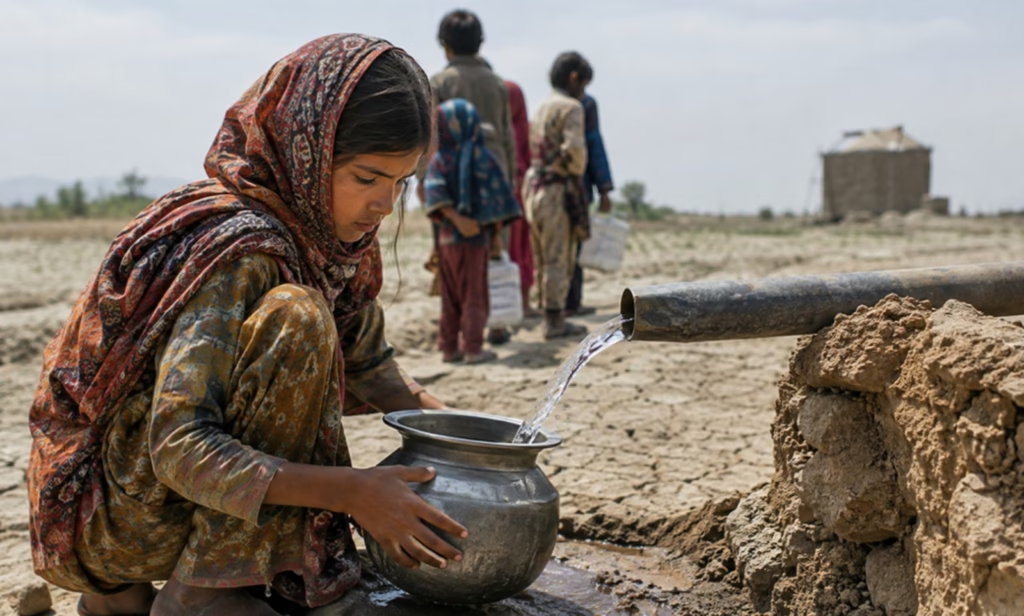
Many donors support water projects because they understand the life-changing impact of clean water. However, they often wonder how water pump donation works and what happens after they contribute towards a project.
A water pump donation is far more than simply installing equipment. It involves careful planning, community assessment, site selection, installation, and long-term maintenance to ensure families have reliable access to safe drinking water for years to come.
In rural communities where clean water is scarce, a well-planned water pump charity project can improve health, education, sanitation, and overall quality of life. Understanding the complete process helps donors see how their contributions create lasting change.
Why Water Projects Matter in Islam
Water holds a special place in Islam because it is essential for life, purification, and worship. The Qur’an repeatedly highlights the importance of water as a blessing from Allah.
During Muharram, many Muslims reflect on the events of Karbala and the hardships faced by the family of the Prophet Muhammad (peace be upon him). The suffering caused by limited access to water remains a powerful reminder of the value of compassion and helping those in need.
Today, supporting a hand pump water project or clean water initiative allows Muslims to provide a vital resource to vulnerable communities while participating in a meaningful form of Sadaqah Jariyah.
What Happens After a Water Pump Donation?
When someone contributes to a rural water pump project, the process typically follows several important stages:
- Community assessment
- Site selection
- Technical surveys
- Installation and construction
- Community training
- Ongoing maintenance and monitoring
Each stage is designed to ensure the water source remains safe, reliable, and beneficial for the local population.
Site Selection Process for Water Pump Projects
The success of a water pump installation in rural areas depends heavily on choosing the right location.
Identifying Communities in Need
Charities first identify villages experiencing:
- Water shortages
- Long travel distances to collect water
- Unsafe drinking water sources
- Frequent waterborne illnesses
The goal is to prioritise communities where a water project can have the greatest impact.
Conducting Community Assessments
Before construction begins, project teams often assess:
- Population size
- Existing water sources
- Accessibility
- Community needs
- Environmental conditions
This information helps determine whether a hand pump, borehole, or other water solution is most appropriate.
Groundwater Surveys
Technical specialists evaluate underground water availability to determine whether the selected site can support a sustainable water source.
This stage is critical because successful projects depend on reliable groundwater access.
Water Pump Installation Process: Step-by-Step
Many donors ask, how are charity water pumps installed?
The water well installation process generally follows a structured approach.
Step 1: Site Preparation
The selected location is cleared and prepared for construction.
This may involve:
- Marking the drilling area
- Removing obstacles
- Ensuring safe access for equipment
Step 2: Drilling or Excavation
Depending on the project type, teams drill into underground water sources or prepare the necessary infrastructure for installation.
This stage allows access to clean groundwater beneath the surface.
Step 3: Pump Installation
Once water is successfully located, technicians install the pump system.
The type of pump used depends on:
- Water depth
- Community size
- Local environmental conditions
Step 4: Water Testing
Before the project becomes operational, water quality testing is often conducted to ensure the water is suitable for drinking and daily use.
Step 5: Final Construction
Protective structures and drainage systems may be added to improve safety and longevity.
This helps protect the investment and supports long-term sustainability.
How Communities Use Donated Water Pumps
A community water pump project serves many daily needs.
Residents use the water for:
- Drinking
- Cooking
- Personal hygiene
- Washing clothes
- Agricultural activities
- Livestock care
Access to nearby clean water reduces the time families spend collecting water and allows them to focus on education, work, and other productive activities.
Water Pump Maintenance and Repair
One of the most important aspects of a successful project is water pump maintenance and repair.
A water pump can only continue benefiting a community if it remains functional.
Community Training
Many organisations provide training to local residents so they can:
- Operate the pump correctly
- Identify minor issues
- Perform basic maintenance
- Report larger repairs when necessary
This creates local ownership and responsibility.
Routine Inspections
Regular inspections help ensure:
- Water quality remains safe
- Equipment functions properly
- Potential problems are identified early
Long-Term Sustainability
Sustainable projects focus on long-term operation rather than short-term solutions.
The most effective charity water project management plans include monitoring systems and community involvement to keep the project functioning for years.
Benefits of Water Pumps in Rural Communities
A successful clean water project in rural communities delivers benefits that extend far beyond water access.
Improved Health
Clean water can help reduce exposure to contaminated sources and improve overall wellbeing.
Better Educational Opportunities
Children, particularly girls, often spend less time collecting water and more time attending school.
Economic Benefits
Families save valuable time that can be used for farming, work, or other income-generating activities.
Stronger Communities
Reliable access to water supports community development and improves living standards.
These outcomes demonstrate why sustainable water solutions for villages remain a priority for humanitarian organisations worldwide.
Why Water Pump Donations Create Lasting Impact
Unlike temporary aid, a well-planned water pump donation process creates long-term benefits, demonstrating how a water hand pump changes lives through access to clean water, improved health, and stronger communities.
A single installation can:
- Serve families for years
- Improve public health
- Support education
- Reduce daily hardship
- Strengthen community resilience
This lasting impact is one reason water projects are frequently chosen as Sadaqah Jariyah donations.
About Children of Adam
Children of Adam is a UK-based humanitarian charity dedicated to supporting vulnerable communities through sustainable development and emergency relief initiatives. Its work includes water projects, food assistance, orphan support, seasonal campaigns, and long-term community development programmes.
Through carefully managed water projects, Children of Adam helps provide reliable access to clean water in underserved areas, giving donors the opportunity to support life-changing initiatives that deliver lasting benefits for families and communities.
Conclusion
Understanding how water pump donation works helps donors appreciate the planning and effort involved in delivering sustainable clean water solutions. From site selection and technical assessments to installation, maintenance, and community training, every stage plays a crucial role in ensuring long-term success. By supporting a water pump charity project, donors help create lasting improvements in health, education, and quality of life while contributing to a solution that can benefit communities for many years to come.
Frequently Asked Questions (FAQs)
How does a water pump donation work?
A water pump donation funds the planning, installation, and maintenance of a water source that provides clean water to communities in need.
How are locations selected for water pump projects?
Locations are chosen based on community needs, water scarcity, population size, and technical assessments of groundwater availability.
How long does a water pump installation take?
Project timelines vary depending on location, site conditions, and construction requirements, but the process generally includes assessment, drilling, installation, and testing.
Who maintains donated water pumps?
Many organisations train local community members to carry out routine maintenance and report repair needs.
Why are water pumps important in rural communities?
Water pumps improve access to clean drinking water, reduce travel time, support health, and contribute to community development.
What is the difference between a water pump and a water well?
A water well provides access to groundwater, while a pump is the mechanism used to bring water to the surface for community use.
Are water pump donations considered Sadaqah Jariyah?
Yes. Because people continue benefiting from the water source, many scholars consider water projects a form of ongoing charity.
How do water projects support sustainable development?
They improve health, education, sanitation, and economic opportunities while providing long-term access to essential water resources.